
This article highlights why Ingwenya Lodge in St Lucia is a great choice for the Easter weekend and April school holidays. It focuses on what families are typically looking for during this travel period - self-catering comfort, lovely views, a pet-friendly setting, a swimming pool, a jungle gym, and easy access to town, beaches, and iSimangaliso. The overall message is that Ingwenya Lodge offers a practical, relaxed, family-friendly base for a St...
Self-Catering vs Hotels in St Lucia - Which Is Better for Your Holiday?
Posted on Fri February 20, 2026.
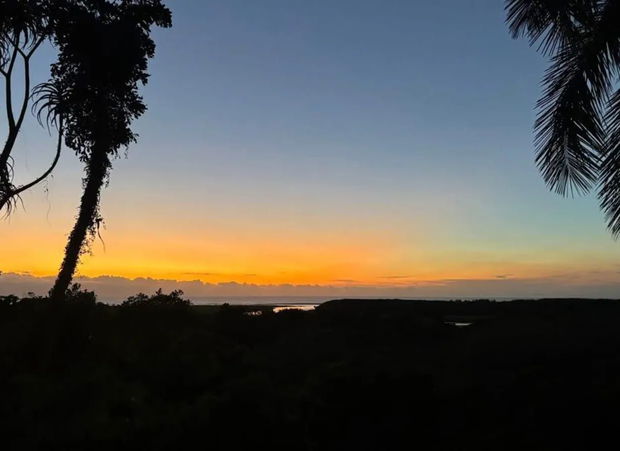
A practical guide comparing self-catering accommodation and hotels in St Lucia, helping travellers choose the stay that best suits their holiday style, pace and travel plans.
Most trips to St Lucia begin the same way - not with a booking, but with a decision. Do you stay in a hotel, or do you choose self-catering accommodation instead? Both options exist in this small coastal town, yet they create very different kinds of holidays. For travellers spending a few days exploring the wetlands, beaches and nearby reserves, the type of accommodation often shapes the pace of the entire stay. Some visitors want structure and simplicity. Others want space, flexibility and the feeling of settling into the destination rather than simply passing through it.
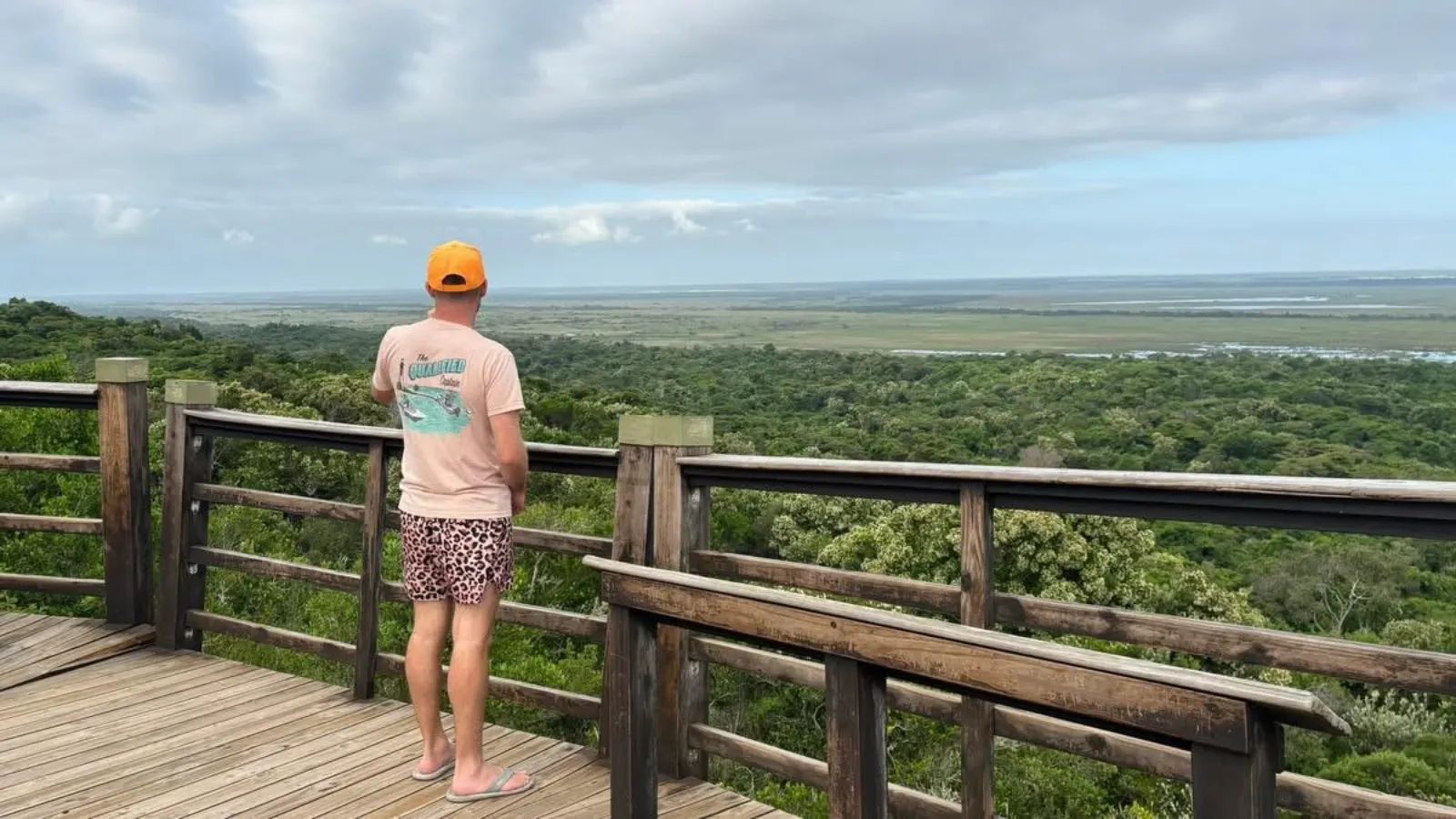
What Is the Difference Between a Hotel and Self-Catering?
A hotel is built around convenience. Rooms are serviced daily, meals are available on site, and much of the planning is handled for you. For short visits or overnight stops, this arrangement works well. You arrive, unpack, and everything runs according to an established routine.
Self-catering offers a different rhythm. Instead of adapting to schedules, guests create their own. A private kitchen, living space and outdoor area allow each day to unfold naturally. Breakfast can happen early before an excursion, or late after a slow morning. Evenings are not tied to restaurant hours or reservations. Many travellers describe it less as staying somewhere and more as temporarily living there.
In St Lucia, where most days are spent outdoors - whether on the estuary, in the bush, or along the coast - that flexibility quickly becomes part of the experience rather than just a feature of the accommodation.
“In St Lucia, accommodation is rarely the main event - it becomes the place you return to between experiences.”
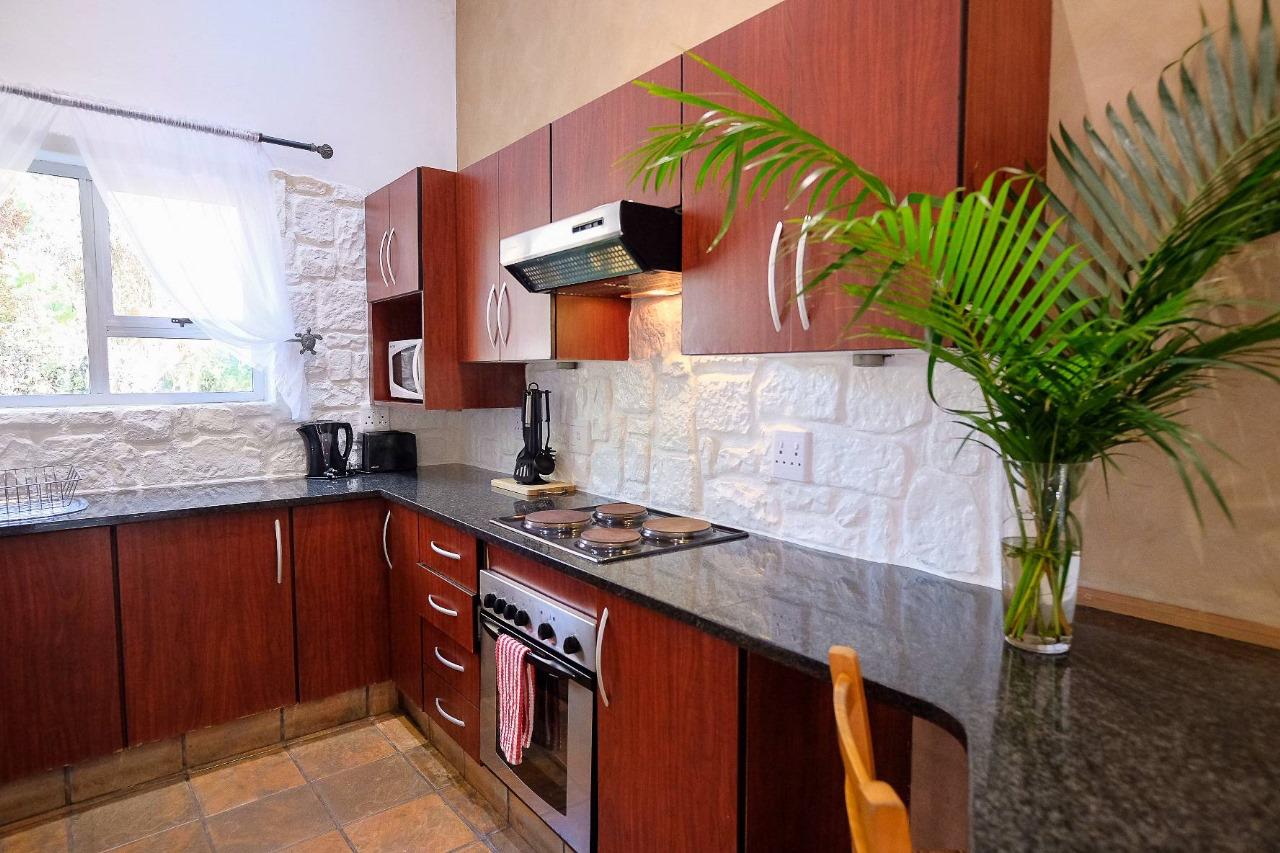
Why Many Travellers Choose Self-Catering in St Lucia
St Lucia does not behave like a busy resort town. Activity follows nature more than nightlife. Mornings start early when wildlife is active, afternoons slow down in the heat, and evenings tend to settle quietly once the sun goes down. Visitors often find that rigid schedules feel out of place here.
Self-catering allows travellers to move with that natural rhythm. Plans change easily depending on weather, sightings or energy levels after a long day outdoors. Families appreciate having room to spread out, while longer-stay visitors enjoy the comfort of returning to a familiar space each evening rather than a single hotel room.
For many international guests, especially those staying a week or longer, everyday moments become part of the holiday - visiting local shops, preparing a simple meal, or relaxing outside after a day exploring the wetlands. The stay begins to feel personal, not programmed.
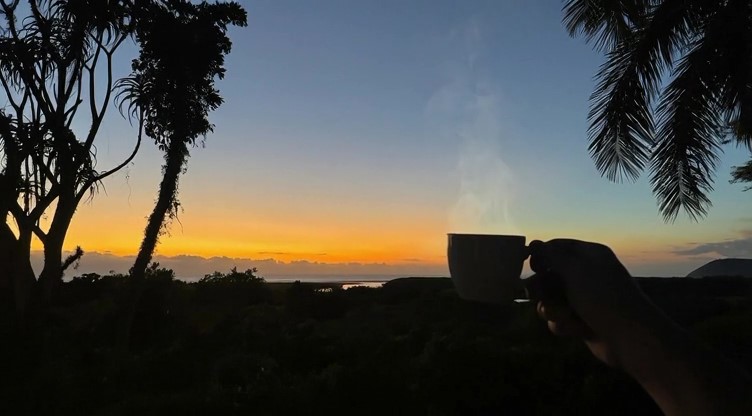
When a Hotel Might Be the Better Choice
Self-catering is not automatically the right option for everyone. Travellers staying only one night, business visitors, or guests who prefer not to think about meals at all may find a hotel more convenient. Having restaurants and services available in one place removes decision-making and can simplify a short visit.
Hotels also suit travellers who expect accommodation to be the centre of the experience, with dining, entertainment and facilities all on site. When time in St Lucia is limited, that structure can feel efficient.
The key difference lies in how you want to spend your time - whether accommodation supports exploration, or becomes the main focus itself.
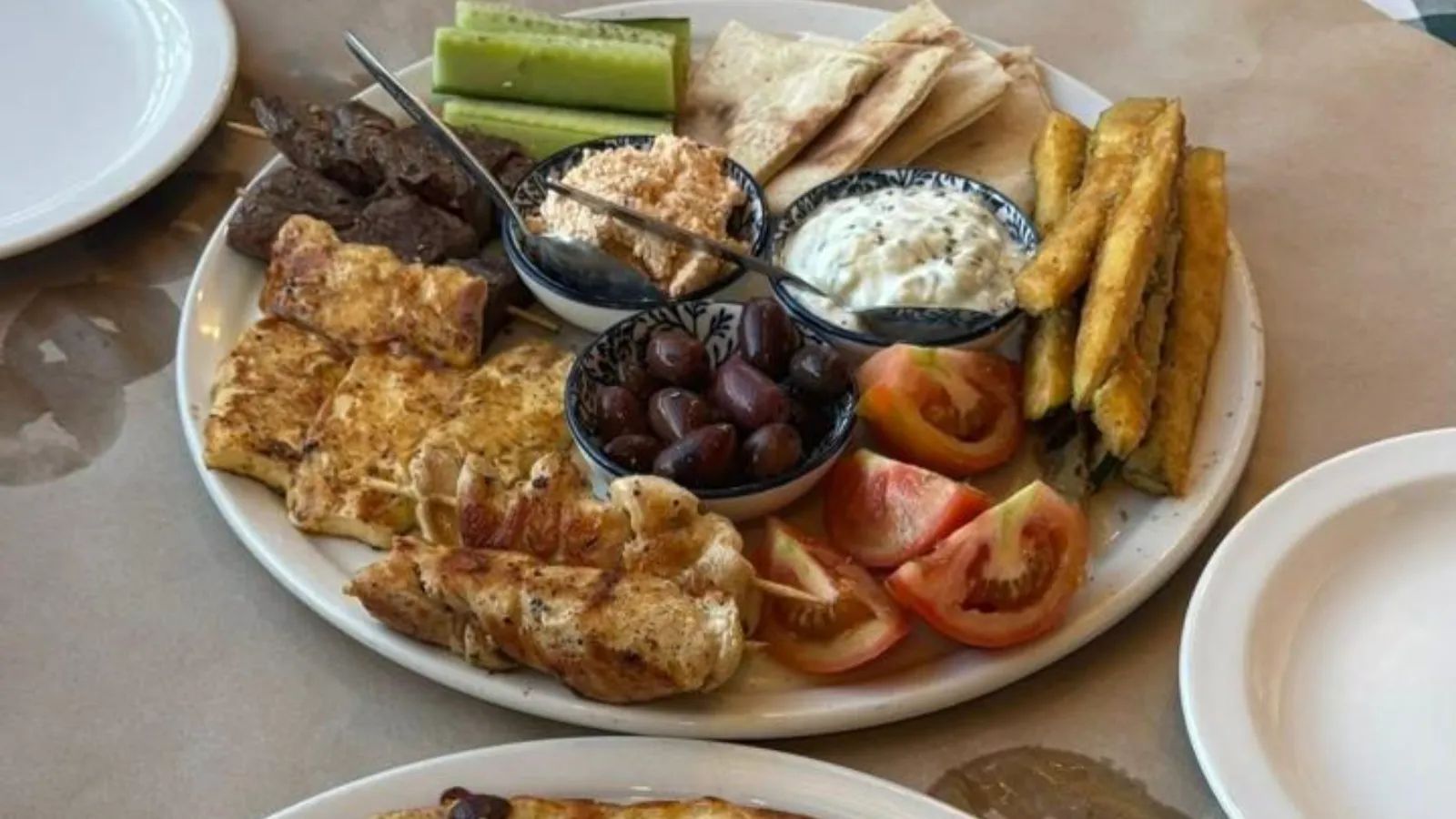
Why St Lucia Works Especially Well for Self-Catering Stays
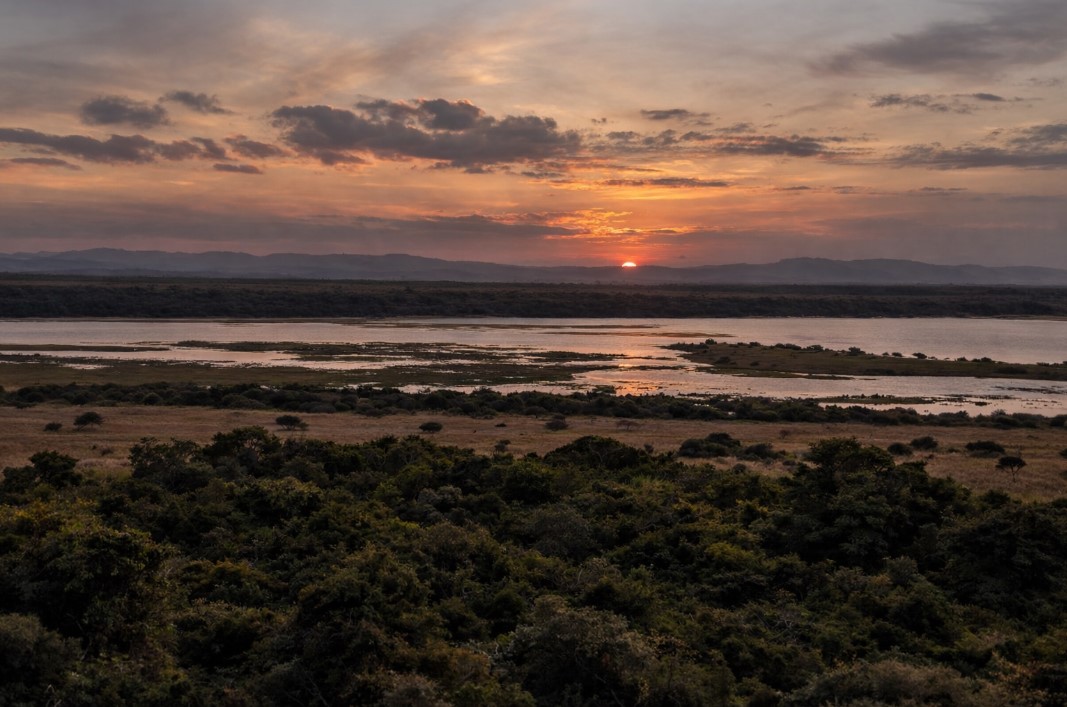
St Lucia encourages a slower style of travel. Surrounded by the iSimangaliso Wetland Park, the town feels connected to nature rather than built around it. Most visitors spend their days moving between beaches, game reserves and the estuary, using their accommodation as a comfortable base in between.
Restaurants follow relaxed coastal hours, and evenings tend to quieten early. After a full day outdoors, many travellers prefer returning to a private space instead of heading out again. Being able to cook lightly, relax outside, or simply enjoy the calm atmosphere often becomes one of the unexpected highlights of the trip.
Another pattern appears frequently - visitors arrive planning a short stay and extend it once they realise how much there is to explore nearby. Space and flexibility make those extended stays far more comfortable, which is why self-catering fits the destination so naturally.
“Evenings in St Lucia slow down quickly - having your own space often matters more than visitors expect.”
Who Self-Catering Is Perfect For
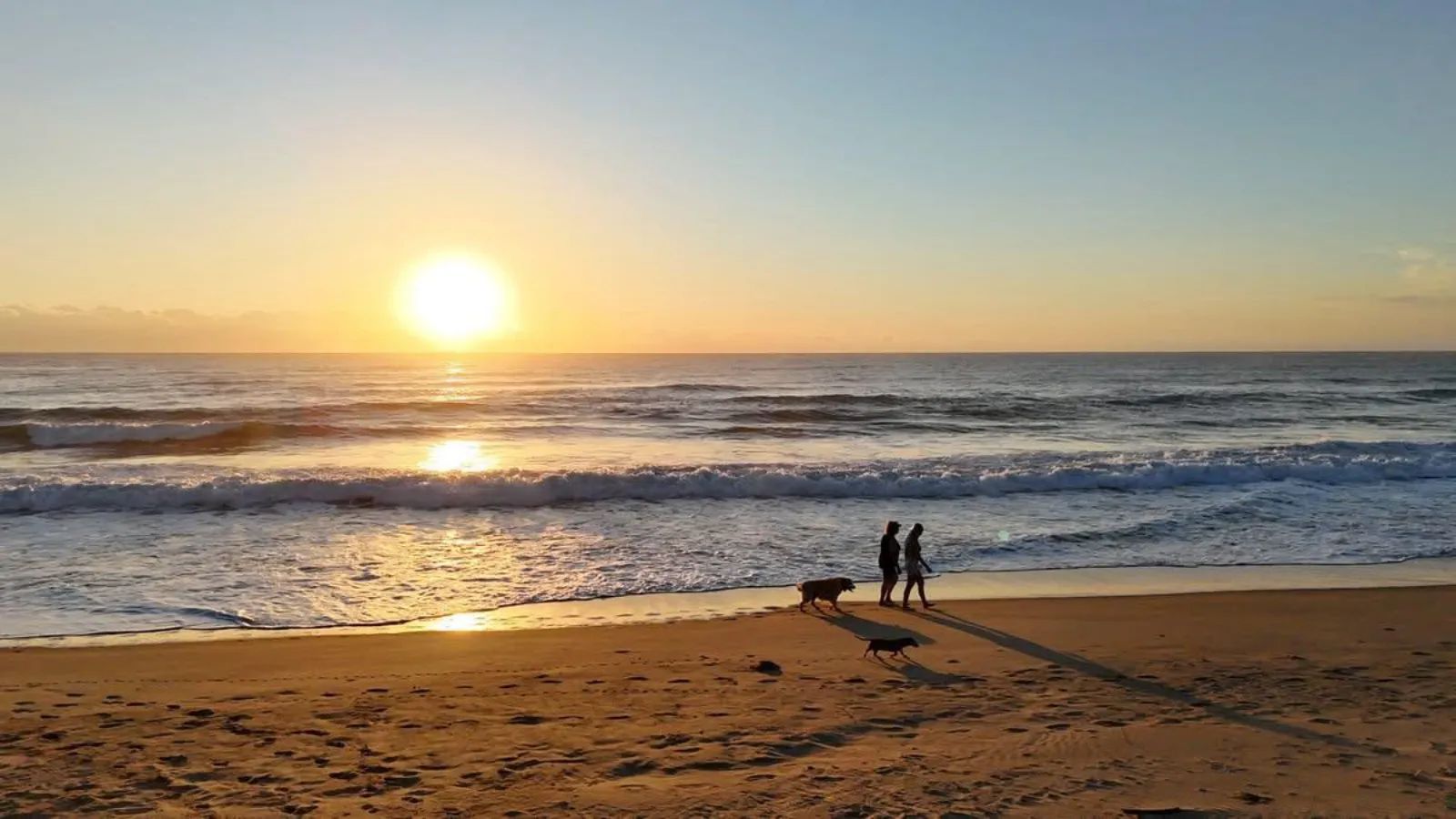
Travellers who value independence usually feel at home in self-catering accommodation. Families benefit from separate living areas and the freedom to manage meals around children’s routines. Couples staying longer often appreciate the balance between adventure during the day and privacy in the evenings.
International visitors exploring multiple parts of South Africa also tend to favour self-catering. After days filled with drives, wildlife experiences and beach visits, returning to a quiet, familiar space creates a sense of ease that hotels do not always provide.
It also appeals to travellers who enjoy experiencing a destination more organically - shopping locally, cooking occasionally, and settling into the natural pace of the town rather than following a fixed timetable.
Choosing the Right Self-Catering Accommodation in St Lucia
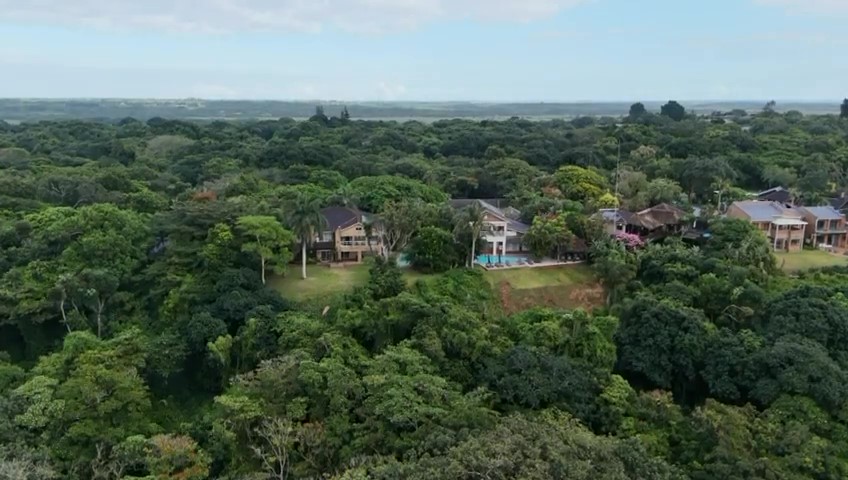
Location plays a larger role than many visitors expect. Being close to the estuary, shops and restaurants makes daily movement easier, while a peaceful setting allows evenings to remain relaxed and unhurried. Security, shaded outdoor areas and comfortable living space quickly become important after long days spent outdoors.
In St Lucia, accommodation works best when it feels like part of the environment rather than separate from it. A stay designed around comfort and longer visits often allows travellers to experience the destination more fully, without feeling rushed from one activity to the next.
Choosing a place that matches how you want to experience St Lucia usually makes the difference between a good holiday and one that feels effortless from start to finish.
Ready to Experience Self-Catering in St Lucia?
The choice between a hotel and self-catering ultimately depends on the pace of holiday you want. For travellers planning to explore the wetlands, beaches and wildlife that define St Lucia, having space and flexibility often allows the destination to be enjoyed more naturally. A private place to return to after each day creates room to slow down, reflect and fully settle into the experience.
“The best stays in St Lucia are often the ones that give you time to slow down between adventures.”
If self-catering feels like the right fit, you can explore Ingwenya Lodge’s self-catering units and decide whether it matches the way you would like to experience St Lucia.
Further Reading
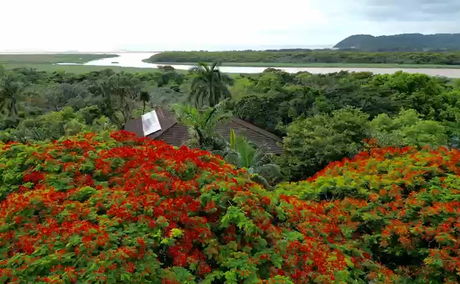
Where to Stay in St Lucia for the Easter Weekend and April School Holidays
Mon March 23, 2026
Read This Article
St Lucia Events Calendar 2026 - What’s Happening in Town This Year
Mon March 16, 2026
Read This Article
Planning a trip to St Lucia in 2026? It helps to know what is happening in town before you book.
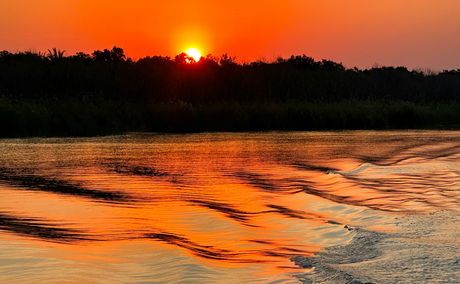
Things to Do in St Lucia, South Africa - A Complete Guide
Fri March 6, 2026
Read This Article
A complete, practical guide to the best things to do in St Lucia, South Africa - from iSimangaliso Wetland Park and estuary boat cruises to Cape Vidal, birding, whale watching, turtle season, day trips, local restaurants, and nearby safari options - with internal links to detailed Ingwenya Lodge posts to help visitors plan their stay.

Share This Post