

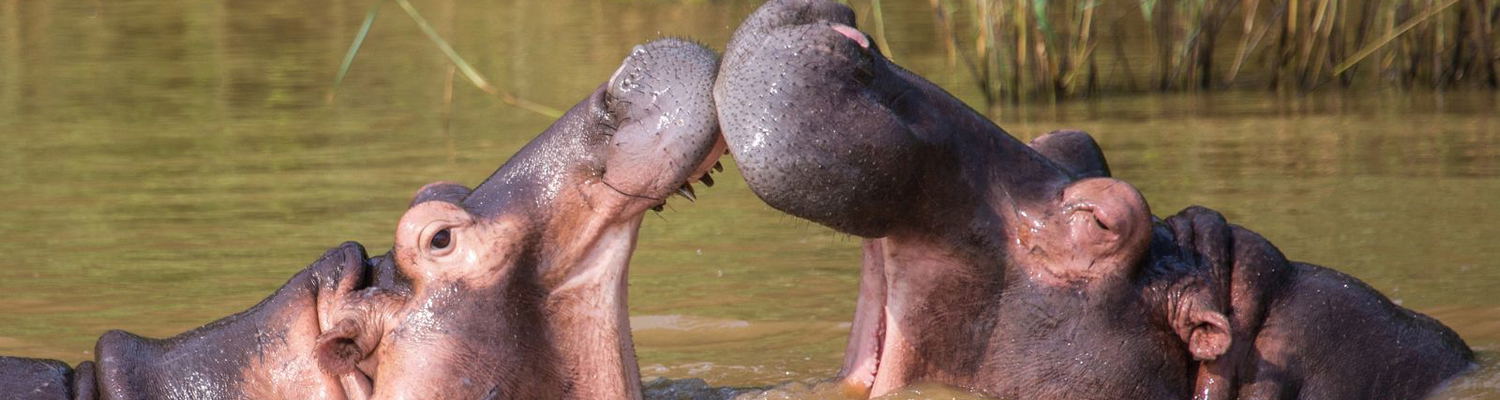
For many overseas visitors, St Lucia is one of those South African places that feels both easy to enjoy and wonderfully different from a standard beach holiday. It offers a rare mix of estuary views, wildlife, beaches, wetlands, restaurants and relaxed village life, all within reach of a comfortable self-catering base.
St Lucia Hippos — What to Expect and Why They Walk Through Town
Posted on Fri July 26, 2024.
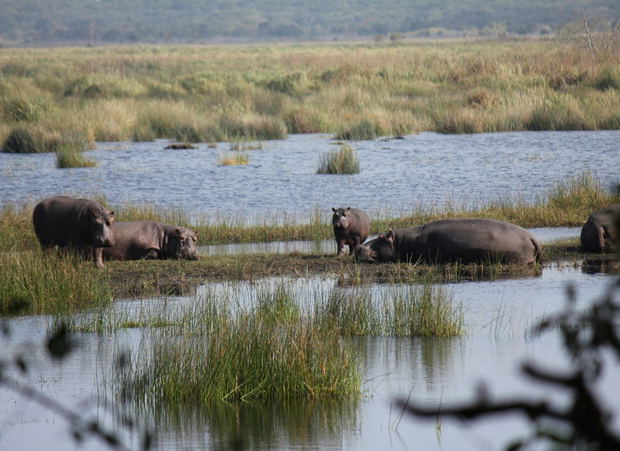
This article explains why St Lucia hippos are one of the area’s most memorable wildlife experiences. It covers where visitors can see hippos, why they sometimes move through town at night, how they behave in the estuary and wetlands, and what travellers need to know about safety and responsible viewing. The article also connects the experience back to Ingwenya Lodge by positioning the lodge as a practical base for exploring St Lucia, the estuary, and iSimangaliso Wetland Park.
Wildlife Guide · St Lucia, South Africa
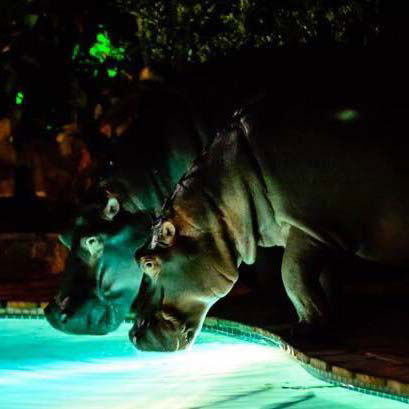
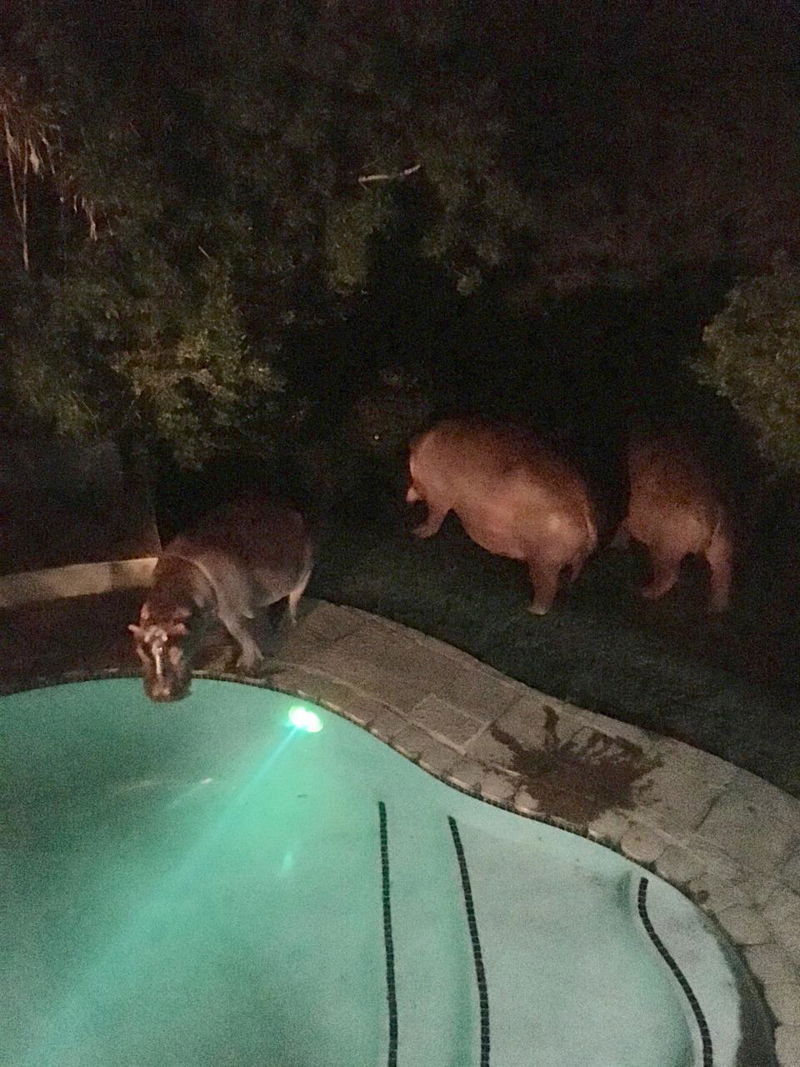
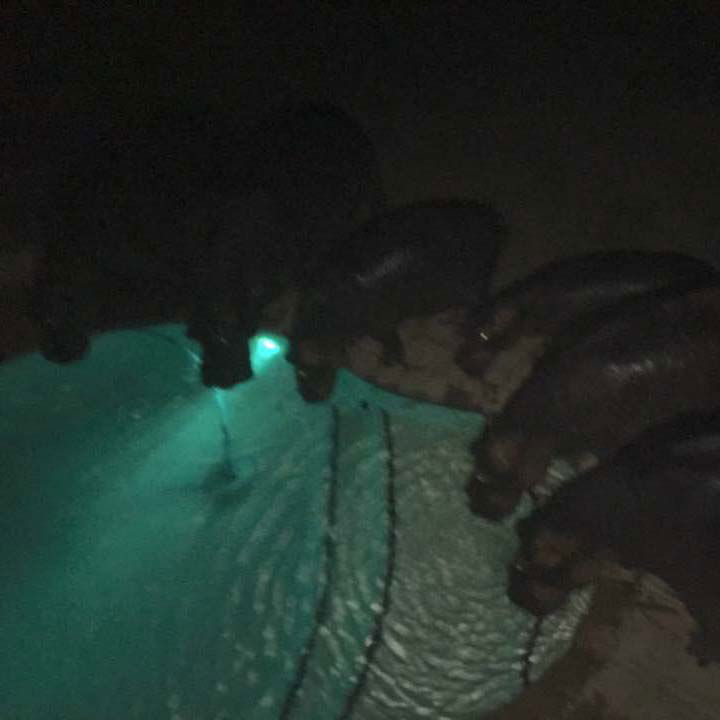
In St Lucia, hippos are not something you only hear about on a boat cruise. They are part of the rhythm of the town. By day, they gather in the estuary and wetlands. By night, they sometimes move through the streets, grazing quietly between gardens, pavements and open spaces.
A St Lucia weekend often feels different because the wildlife is so close. Hippos rest in the estuary by day, move through quieter parts of town after dark, and remind visitors that this is still a living wetland landscape. If you are staying at Ingwenya Lodge, the hippos are part of the wider estuary experience that makes St Lucia so memorable.
For visitors, it is one of the most memorable parts of staying here — but it is also something that needs respect, distance and local knowledge.
Why Hippos Are Such a Big Part of St Lucia
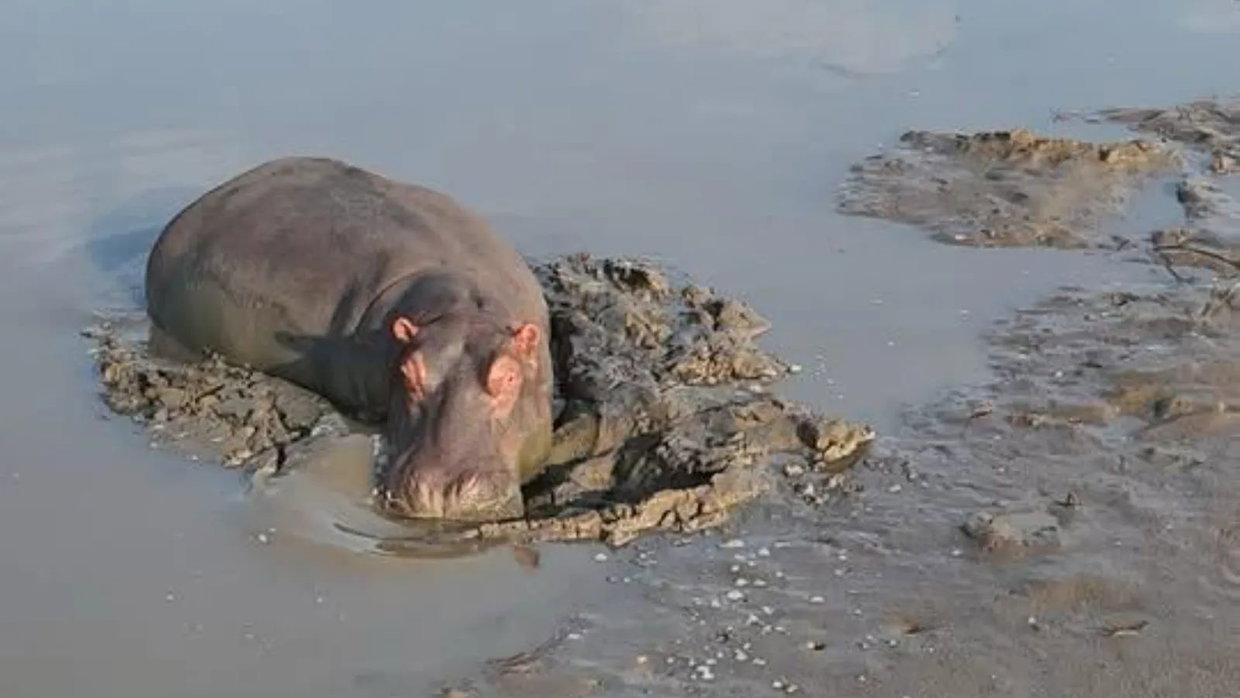
St Lucia sits beside the St Lucia Estuary, one of the most important wetland systems in South Africa and part of the iSimangaliso Wetland Park. This mix of water, grassland, reed beds and coastal forest creates ideal habitat for hippos. They spend much of the day in water to stay cool, then move onto land after dark to graze.
That simple daily pattern is the reason visitors sometimes see hippos in places they do not expect — near roads, lawns, gardens or open spaces around town.
Why Do Hippos Walk Through St Lucia at Night?
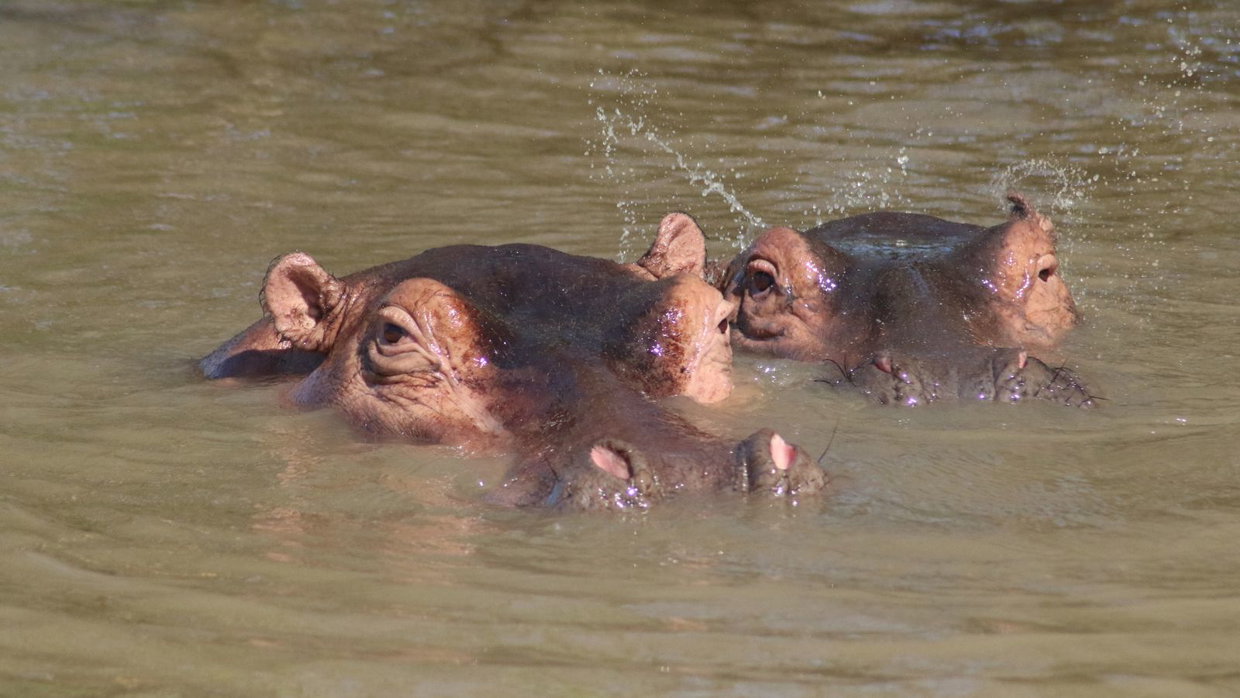
Hippos are semi-aquatic animals, but they feed mainly on land. During the heat of the day, they rest in water where their skin is protected from the sun. After sunset, they leave the estuary and nearby water bodies to graze. In St Lucia, the town sits close to their natural routes, so it is not unusual for hippos to cross roads or move through quieter areas at night.
This is part of what makes St Lucia so unusual as a destination. Wildlife is not only behind a fence or inside a park gate. It is close, real and sometimes right there in front of you.
Where to See Hippos in St Lucia
The safest and most reliable way to see hippos is on a guided estuary boat cruise. These cruises take visitors onto the St Lucia Estuary, where hippos can often be seen resting in pods, surfacing for air, calling across the water or moving slowly between channels.

Lake St Lucia and the wider wetland system also support strong hippo populations, although access and sightings depend on season, water levels and local conditions. Around town, sightings are possible at night, but they should never be treated as a close-up photo opportunity.
Are Hippos Dangerous? What Visitors Need to Know
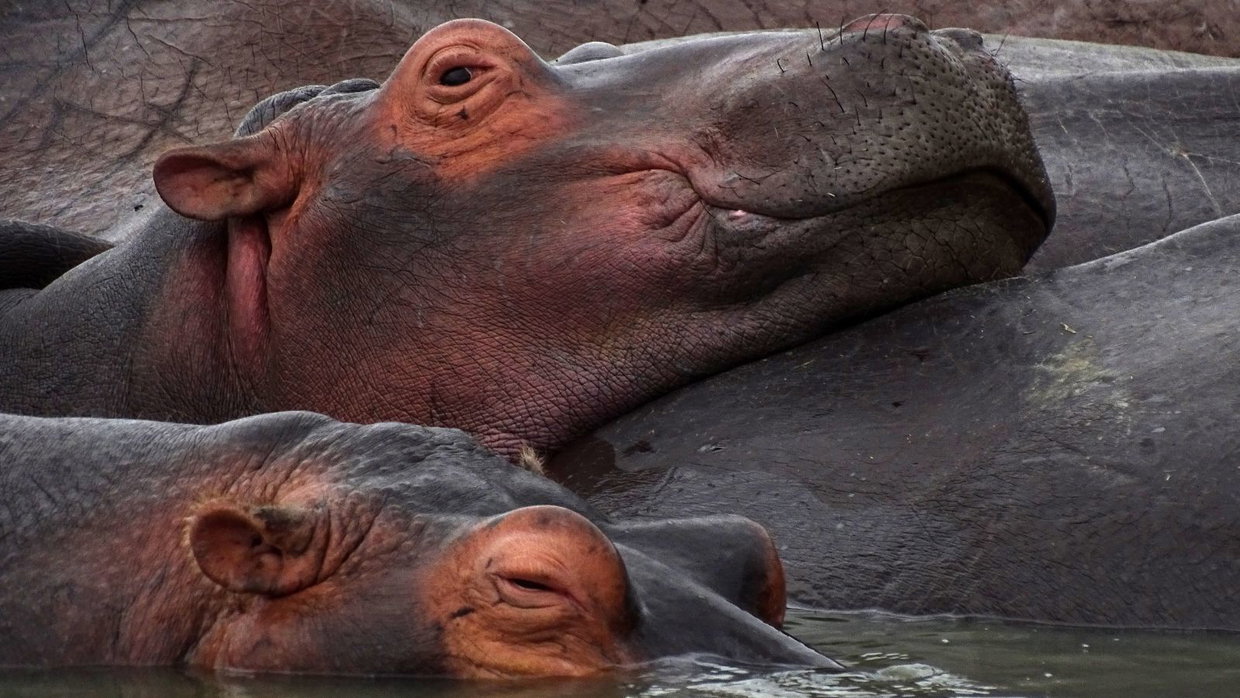
Hippos may look slow and calm, but they are powerful, territorial animals. They can move quickly over short distances and should always be given space.
At night, it is best to drive carefully, use a torch when walking in approved areas, listen to local advice and avoid wandering into dark open spaces. Seeing hippos in St Lucia is special because they are wild animals living in a real wetland town. That experience works best when people respect the boundary.
What Makes St Lucia Hippos So Fascinating
Hippos are among Africa's largest mammals. Adult males can weigh several thousand kilograms, yet they are surprisingly agile in water. Their eyes, ears and nostrils sit high on the head, allowing them to breathe, listen and watch while most of the body remains submerged.
They live in groups called pods, often with a dominant male, and communicate through grunts, bellows and other deep calls that carry across the water. For many visitors, hearing hippos before seeing them is part of the memory.
Hippos, Crocodiles and the St Lucia Wetlands
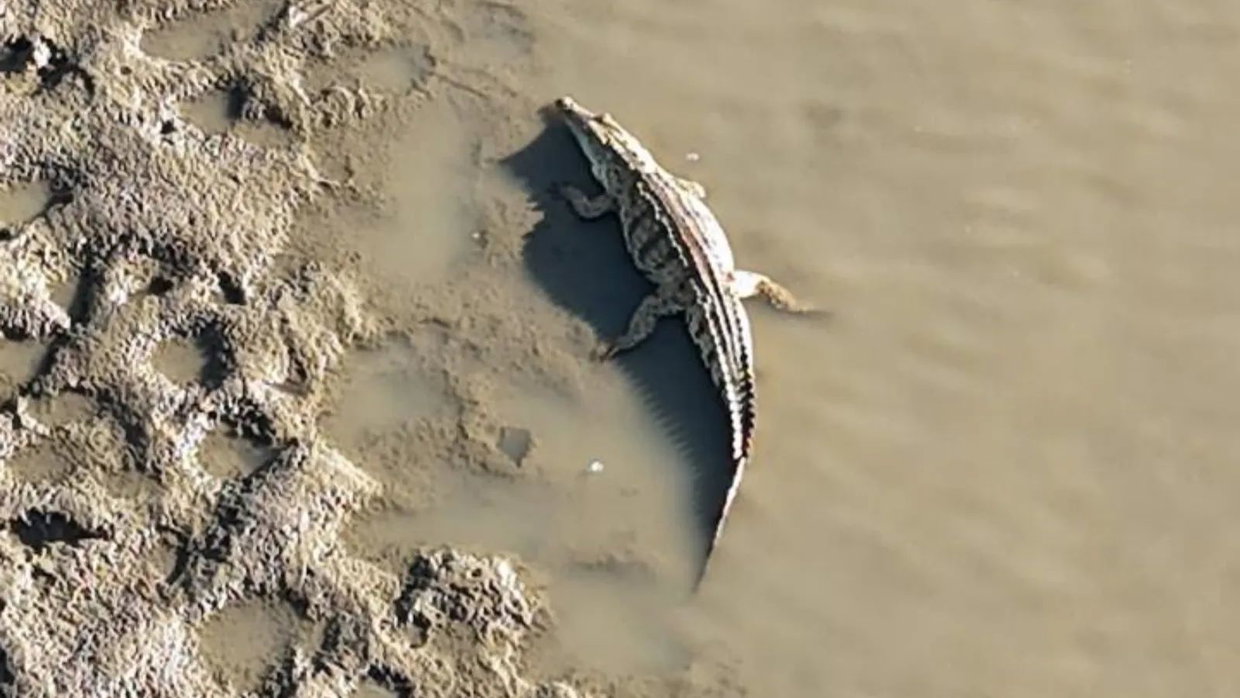
The St Lucia wetlands are home to more than hippos. Nile crocodiles share parts of the estuary, while birds, fish and other wildlife depend on the same waterways and reed beds. Hippos also shape their environment in subtle ways — their grazing routes open paths through vegetation, their movement creates channels in wetland areas, and their presence supports a larger food web.
This is why hippos are not just a tourist highlight. They are part of how the wetland functions.
Best Time to See Hippos in St Lucia
Hippos can be seen in St Lucia throughout the year. The experience changes with the seasons. In wetter months, the landscape is greener and water levels can shift where animals gather. In drier periods, hippos may concentrate more around reliable water.
Estuary cruises remain one of the most consistent ways to see them, and early morning or late afternoon light often adds to the atmosphere. Visitors staying in St Lucia for more than one night usually have a better chance of experiencing the town's wildlife rhythm properly.
What to Bring for a Hippo Viewing Experience
A hippo viewing experience does not need complicated packing. Comfortable clothing, a hat, sunscreen, insect repellent, water, binoculars and a camera are useful. For boat cruises, light layers can help in the cooler parts of the day. For evenings in town, closed shoes and a torch are sensible.
The main thing is to arrive with patience. Wildlife sightings are never staged, and that is exactly what makes them worth remembering.
Seeing Hippos Responsibly
Responsible travel in St Lucia starts with remembering that this is the hippos' habitat first. Keep your distance, follow guide instructions, avoid noise around wildlife and never try to feed or attract animals. Support registered local guides and tour operators, respect protected areas and choose accommodation that understands the environment it operates in.
Small decisions by visitors help keep St Lucia's wildlife encounters safe, respectful and sustainable.
Stay Close to the Wildlife of St Lucia
Stay close to St Lucia’s estuary wildlife at Ingwenya Lodge, with relaxed self-catering units, private space and easy access to the town, estuary, local tour operators, beaches, restaurants and the wider iSimangaliso Wetland Park. Hippos are part of what makes the town so memorable, but they are only one piece of the larger St Lucia experience — a place where wetlands, coastline, wildlife and everyday village life sit unusually close together.
Frequently Asked Questions About St Lucia Hippos
Can you see hippos in St Lucia town?
Yes. Hippos are sometimes seen moving through parts of St Lucia at night as they leave the water to graze. Visitors should keep a safe distance and never approach them on foot.
Where is the best place to see hippos in St Lucia?
The St Lucia Estuary is one of the best places to see hippos safely. Guided estuary boat cruises offer reliable viewing opportunities from a respectful distance.
Are hippos in St Lucia dangerous?
Hippos are wild, territorial animals and can be dangerous if approached, startled or blocked from water. Visitors should always follow local safety guidance.
Can you see hippos all year round in St Lucia?
Yes. Hippos are present in St Lucia throughout the year, although sightings and behaviour may vary depending on water levels, season and time of day.
Is it safe to walk around St Lucia at night?
Visitors should be cautious at night because wildlife, including hippos, may move through town. Use local advice, stay in well-used areas and avoid walking close to wildlife.
Further Reading
A First-Time Overseas Visitor's Guide to Staying in St Lucia, South Africa
Sat June 6, 2026
Read This Article
Crocodiles in St Lucia Estuary - What Visitors Should Know
Sat May 16, 2026
Read This Article
A weekend in St Lucia often starts with the estuary. It is where hippos surface, crocodiles rest along the banks, birds move through the reeds, and visitors get a real sense of why iSimangaliso is such a special protected landscape. If you are staying at Ingwenya Lodge, the estuary is one of the easiest wildlife experiences to add to a relaxed St Lucia weekend.
Best Time to Visit St Lucia, South Africa
Mon April 13, 2026
Read This Article
Figuring out the best time to visit St Lucia usually starts with a simple question — when should I go? But the more useful answer is this: it depends on what you want your trip to feel like.


Share This Post