This article highlights why Ingwenya Lodge in St Lucia is a great choice for the Easter weekend and April school holidays. It focuses on what families are typically looking for during this travel period - self-catering comfort, lovely views, a pet-friendly setting, a swimming pool, a jungle gym, and easy access to town, beaches, and iSimangaliso. The overall message is that Ingwenya Lodge offers a practical, relaxed, family-friendly base for a St...
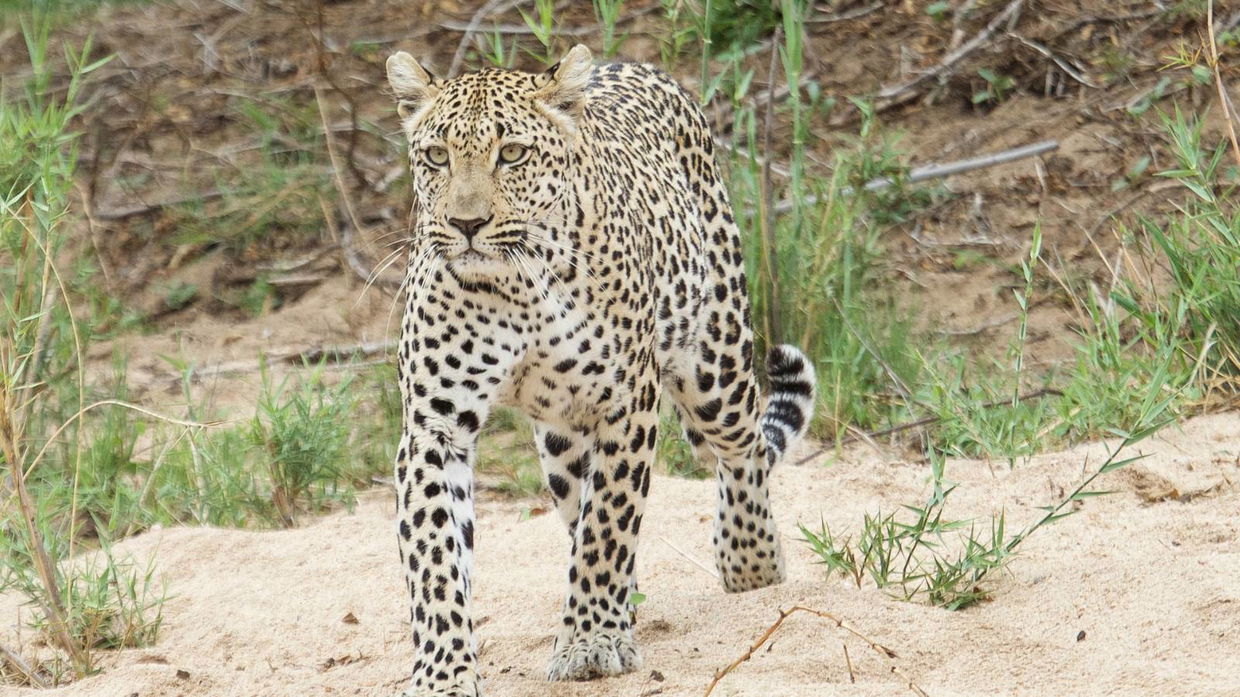
Yes - leopards live in iSimangaliso Wetland Park. They move through dune forest, woodland edges, and those quieter, less open sections along the western side of Lake St Lucia. They are present, confirmed, and breeding in the area. They are also famously hard to see.
That’s not a marketing line. It’s just the truth of how leopards behave - especially in thick coastal habitat.
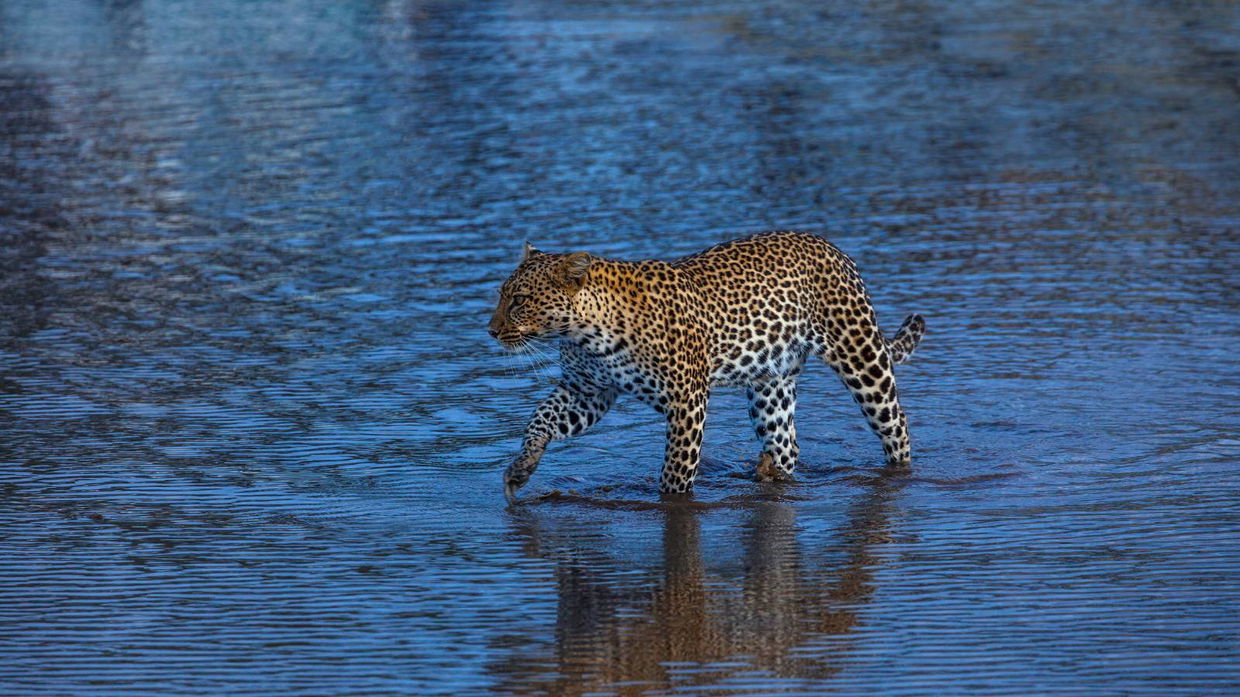
Why iSimangaliso Is a Different Leopard Story
Most people picture leopards in classic bushveld scenes. Dry roads. Open scrub. A big marula tree. iSimangaliso doesn’t play like that.
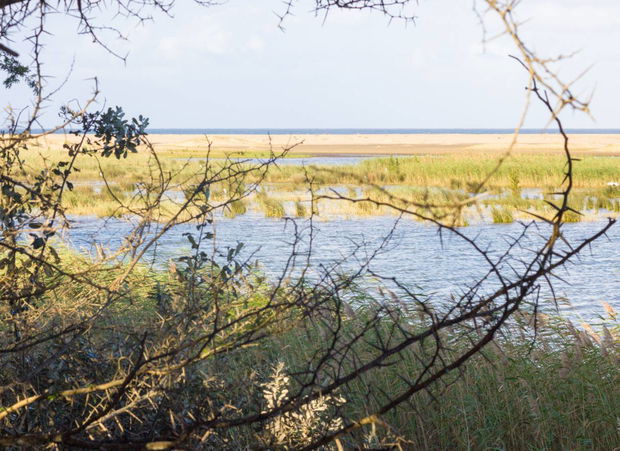
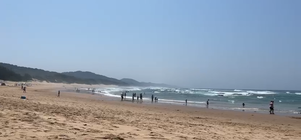
This park stretches across about 1.3 million hectares of very mixed terrain - beaches, wetlands, lakes, estuary systems, coastal forest, and pockets of savannah. The landscapes sit on top of each other. You can drive from dense forest to open water to sandy coastline in the same morning.
Leopards here are often associated with:
- coastal dune forests
- woodland corridors
- the western shores around Lake St Lucia
The interesting part is how they use the park. Their adaptability lets them slip between forest patches and wetland edges, and in rare cases, even move along sandy beaches at first light or just before dark. Few places in the world have that kind of setting for a leopard.
Not many predators can share a coastline with tidal rhythms and still stay hidden.
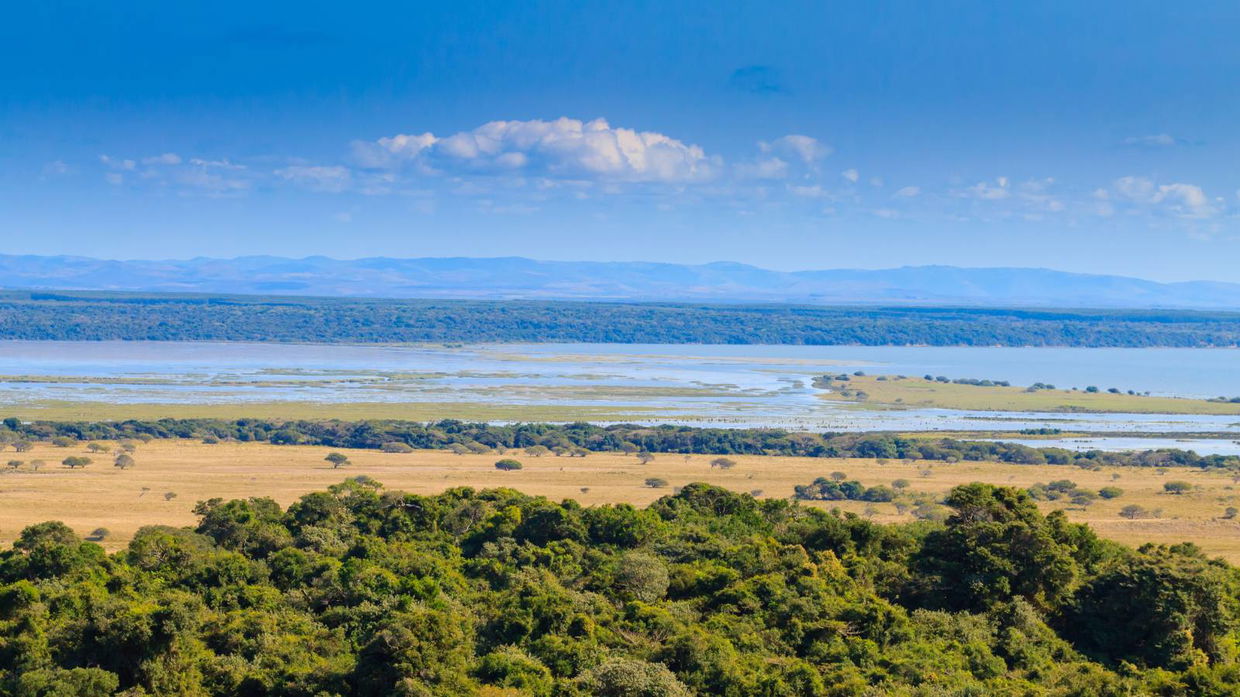
Sightings - Rare, But Not Impossible
If you’re coming to iSimangaliso purely to “tick leopard”, you’ll probably frustrate yourself.
Leopards are solitary, mostly nocturnal, and built for disappearing. Add dense vegetation and limited human intrusion, and you get a place where sightings are the exception, not the pattern.
That said, there have been documented and reported observations that matter:
- leopard cubs spotted by guides on the western shores, which points to successful breeding
- occasional reports of adults moving between forested areas at dawn or dusk
- tracks and rare sightings suggesting some individuals travel close to the coast at low light
In reality, most confirmations come via camera traps, spoor, ranger notes, and local guide knowledge - not regular tourist encounters.
And that’s part of the appeal. iSimangaliso still feels like a park where the wild isn’t staged.
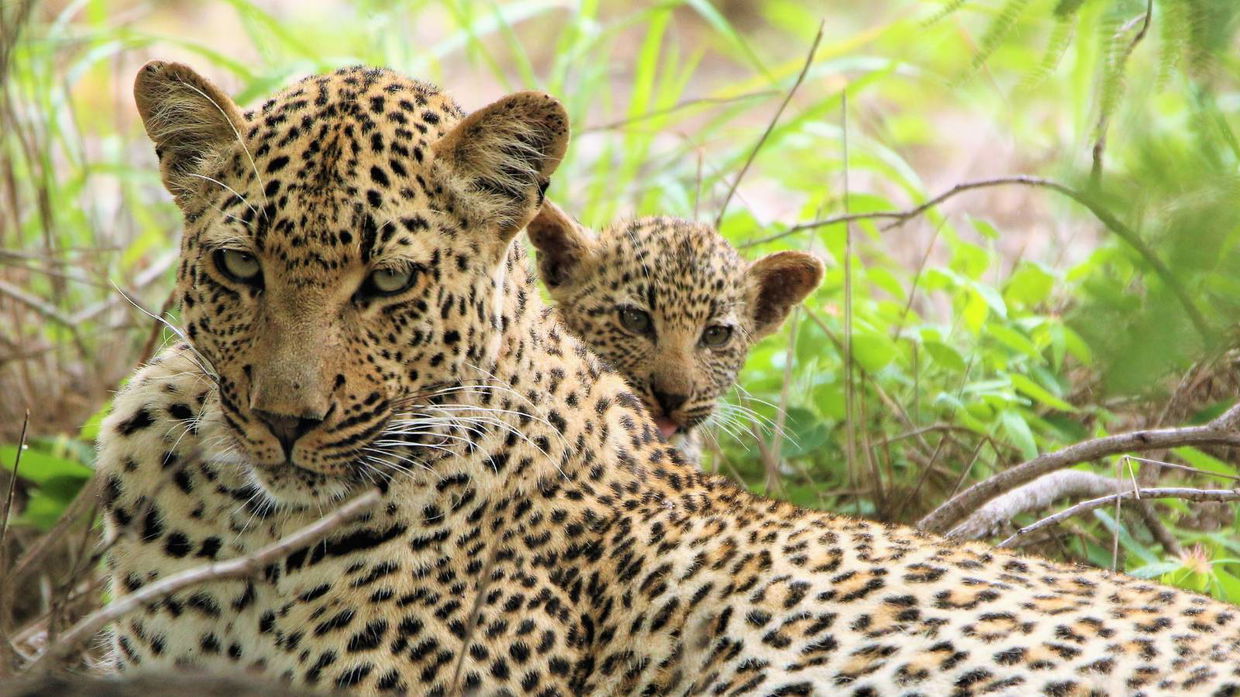
What They Eat Here, And Why That Matters
Leopards don’t need one specific prey type to survive. They work with what’s available, and iSimangaliso gives them plenty.
In these ecosystems, leopards are opportunistic hunters. They can take small antelope, monkeys, and smaller prey that thrive in forest and woodland systems. That variety is a clue in itself - it tells you the park’s food web is still functioning.
When you’re looking at conservation, that matters more than a photograph.
Conservation Context - Why Leopards Belong in the iSimangaliso Conversation
iSimangaliso is a UNESCO World Heritage Site for a reason. The biodiversity is not a slogan - it’s the whole point.
Leopards sit in the “charismatic predator” bracket alongside elephants, rhinos, hippos, and crocodiles. Their presence plays a practical role:
- they help regulate prey populations
- they contribute to ecological balance in forest and savannah pockets
- they act as a signal that habitat health is holding steady
A leopard needs cover, space, prey, and connectivity. If those break down, leopards disappear quietly. So when we say leopards are still here, it suggests the system is still working in the background.
What Makes iSimangaliso Leopards Special
The word “special” gets overused in tourism. Here it’s earned.
iSimangaliso leopards are special because of where they live.
This is one of the few places where leopard habitat can brush right up against the ocean. That coastal context changes the whole story. You’re not just in “the bush”. You’re in a layered landscape - forest, wetland, and sea.
Also, iSimangaliso is a biodiversity hotspot. Leopard sightings are not the headline attraction the way they can be elsewhere. They sit inside a wider experience - over 500 bird species, big mammals, hippos in the estuary, crocodiles, marine life, and shifting ecosystems that feel different week to week.
So the leopard becomes part of a bigger feeling - that this reminds you nature is still running the show.
iSimangaliso vs Kruger - Same Animal, Totally Different Experience
Leopards occur in both iSimangaliso and Kruger National Park, but the way you experience them is completely different.
In iSimangaliso:
- habitat is coastal forest, wetlands, woodland, and occasional beach movement
- sightings are rare and mostly at low light
- the thrill is the possibility - and the uniqueness of the setting
In Kruger:
- habitat is savannah, riverine bush, rocky koppies, drainage lines
- sightings are more frequent, especially in high density areas
- the highlight is the probability of seeing one, often in trees or along river systems
If you’re in KwaZulu-Natal and you want something unusual and coastal, iSimangaliso is hard to beat.
If your priority is a higher chance of leopard sightings on game drives, Kruger is the more reliable destination.
Local Tourism - Why South Africans Keep Coming Back
South Africans love iSimangaliso for reasons that don’t need a brochure.
It’s a proper coastal break, but it still feels wild. You can do the beach, the estuary, the park drives, and the town energy in St Lucia without it turning into a long-haul mission. A lot of families self-drive. A lot of couples come for a slower weekend. And plenty of people return because the rhythm is easy - warm weather, big skies, and nature that sits right on your doorstep.
For local travellers, leopards are not “the product”. They’re part of the atmosphere. Knowing they exist adds weight to the place.
European Tourism - The Pull of Wild Coast, Warm Winter, And Fewer Crowds
European travellers often arrive looking for a mix that’s hard to find back home - space, warmth, and nature that isn’t boxed in.
iSimangaliso fits that perfectly. It feels immersive, not crowded. You don’t have convoys of vehicles around every animal. You get wetlands, forest, coastline, and wildlife in one destination. For many visitors, it’s also an easier add-on to a broader KwaZulu-Natal route.
And leopards add something quietly powerful. Even if a guest never sees one, the idea that a leopard could be moving through those forests at night changes the way people talk about their trip.
It becomes less “we did a safari” and more “we were in a living system”.
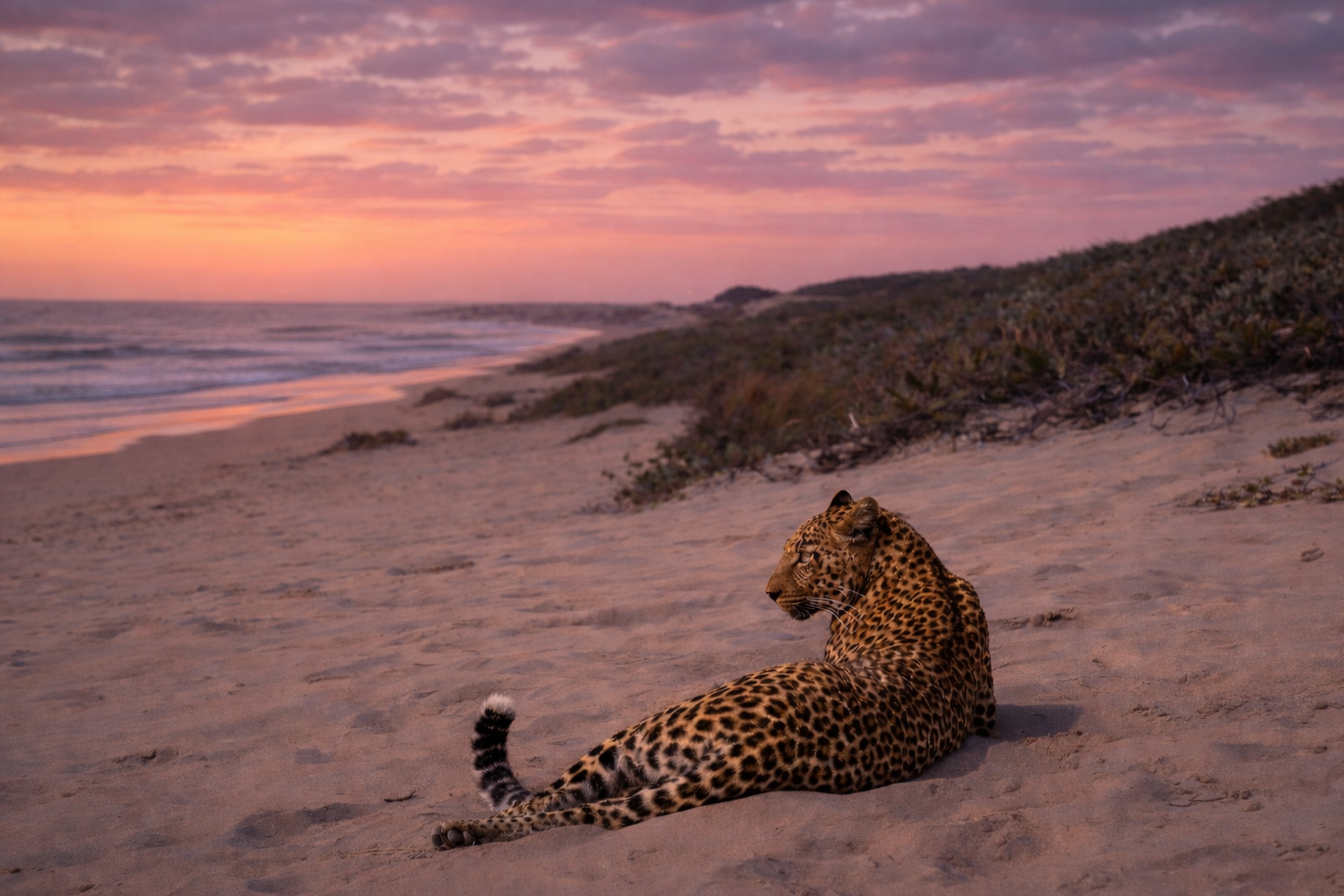
Key Takeaways - The Honest Summary
Leopards are real in iSimangaliso Wetland Park. They’re also elusive.
Sightings do happen - from forest interiors to rare coastal movement - but they are never guaranteed, and that’s exactly what makes them remarkable when they happen.
If you want uniqueness, iSimangaliso offers something very few places can. A leopard in coastal forest, near an ocean edge, inside one of Africa’s most diverse protected landscapes.
If you want the best odds, Kruger usually wins.
Either way, the leopard story in iSimangaliso is worth telling - because it’s not about certainty. It’s about wildness that still exists in the background.

Share This Post