
Planning a trip to St Lucia in 2026? It helps to know what is happening in town before you book.
What It Means to Stay Inside a UNESCO World Heritage Site
A Protected Landscape Surrounding the Entire Town of St Lucia
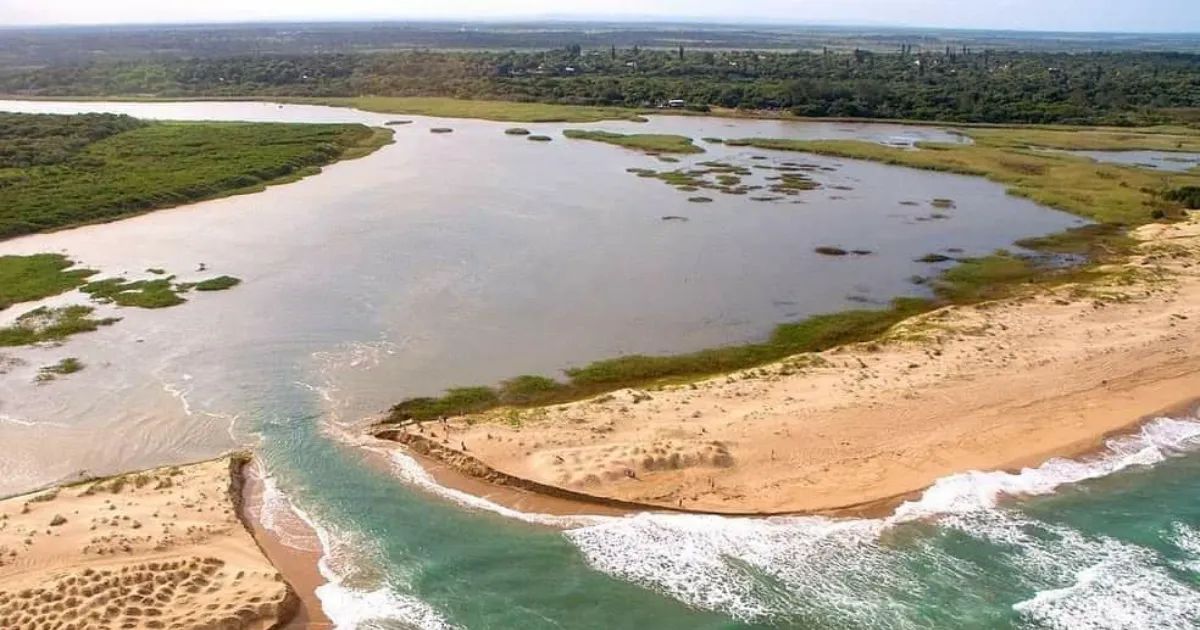
People often expect a World Heritage Site to begin at a gate or a viewpoint, but St Lucia doesn’t work that way. The protected area stretches around the town itself, so the moment you arrive, you’re already inside it — even if you haven’t realised it yet. The estuary, the forests and the wetlands sit so close to everyday life that they feel like part of the neighbourhood rather than a distant attraction. You notice it in small moments: the birds passing overhead, the quiet at night, the soft movement of the wind through the reeds. Nothing is marked or staged; it’s simply the way the place lives.
Why iSimangaliso Was Declared a World Heritage Site
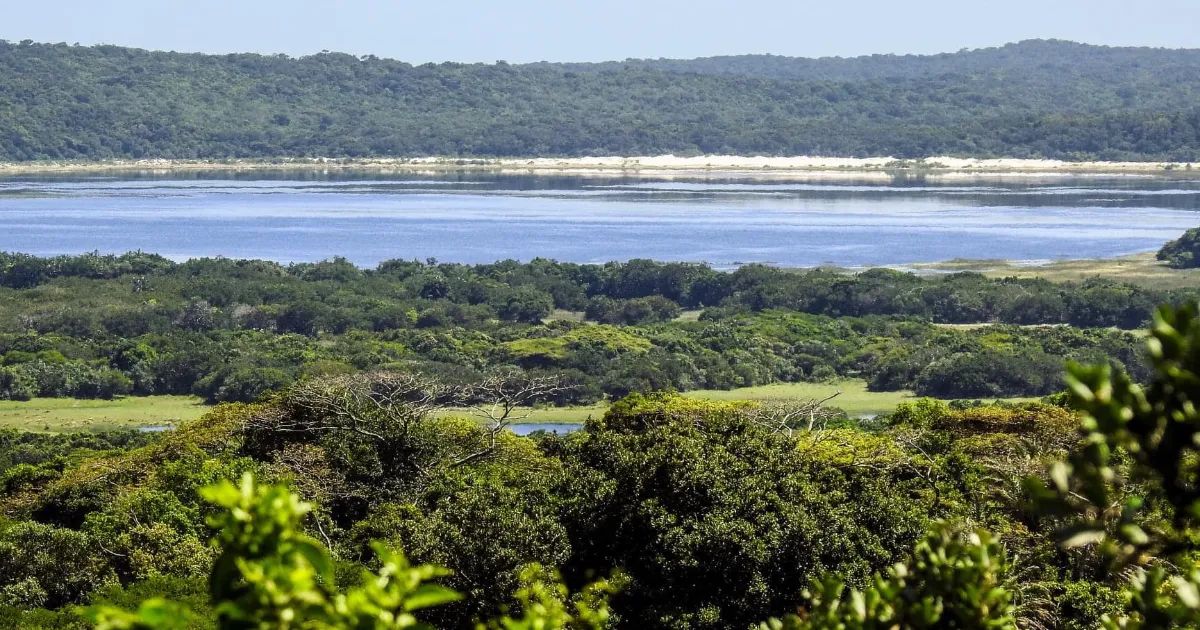
iSimangaliso wasn’t recognised for one single feature — it earned its status because of how many landscapes meet and overlap here. Wetlands, dune forests, savannas, beaches, estuaries and lakes all sit within one connected system. That mix creates a kind of richness you feel without needing a guidebook: the variety of bird calls, the sudden shift from open water to shaded forest, the wildlife moving through areas that look nothing alike but belong to the same ecosystem. The protection simply ensures that this variety stays intact, and as a visitor, you sense that continuity in the way the environment feels whole, rather than broken into separate parts.
The Slow-Travel Appeal for European Visitors
More Time, Fewer Crowds, Deeper Connection
Choosing Stillness Over Speed
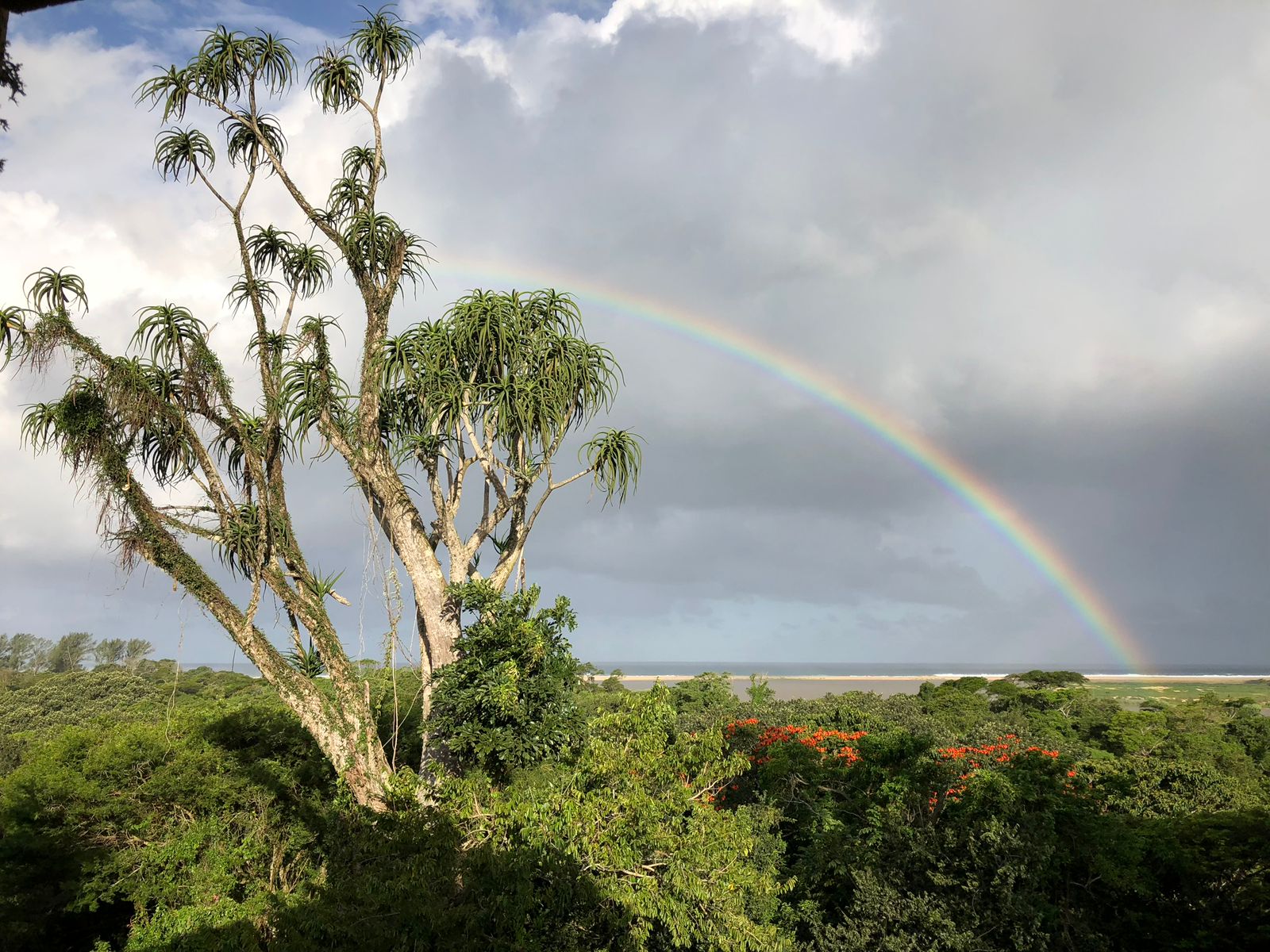
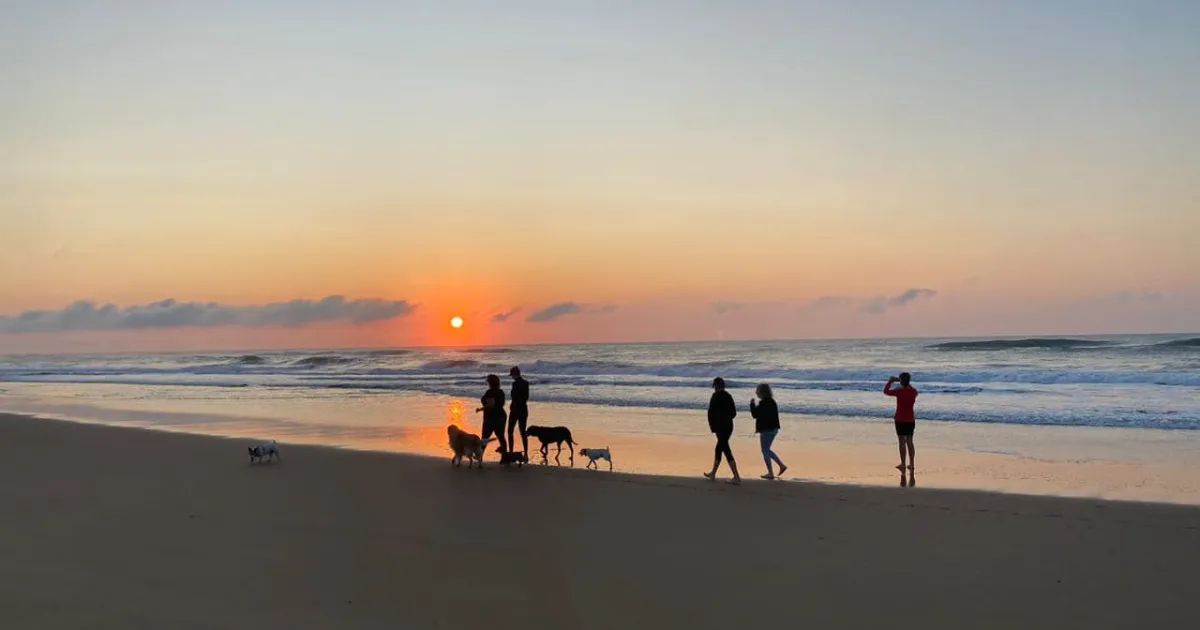
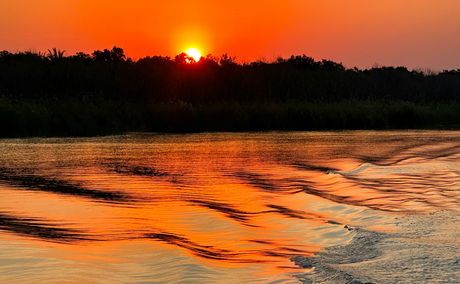
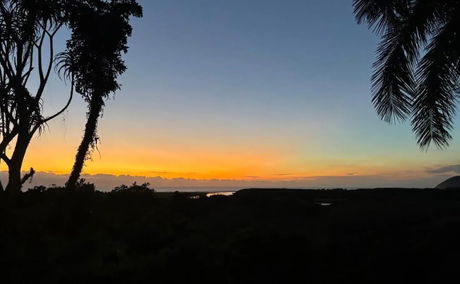
The stillness here isn’t dramatic; it’s quiet in a steady, everyday way. You settle into it almost by accident. Meals take longer, mornings drift a little, and the pressure to “make the most of the day” fades. You start noticing things you’d normally walk past — small changes in the light, the sound of the estuary moving, the shift in the air before sunset. It’s not that you do less; it’s that the day isn’t competing with you. For many Europeans, that difference is what makes the stay feel restorative in a way they didn’t expect.
Nature on Your Doorstep: Wildlife, Waterways and Quiet Spaces
Everyday Encounters With Wildlife
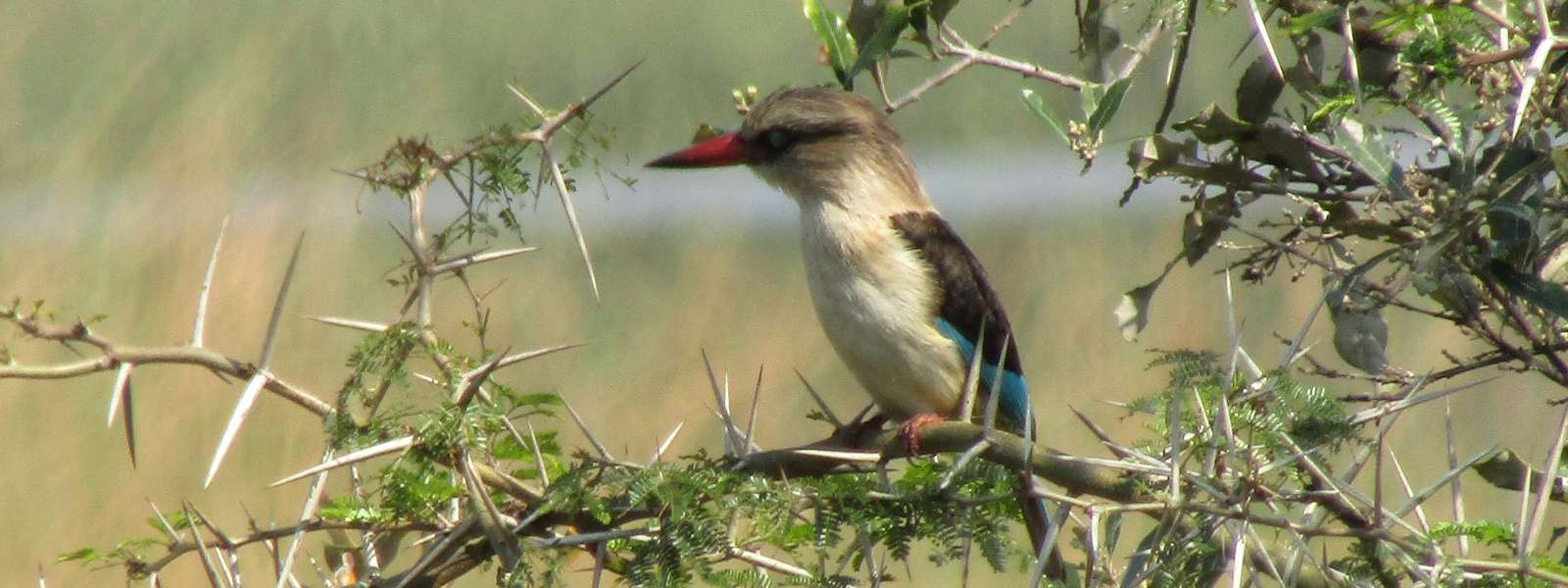
Visitors often talk about how normal wildlife feels here. Not dramatic, not staged — just part of the day. You might be pouring a cup of coffee when you notice a kingfisher dive near the bank, or hear the low call of a hippo drifting across the estuary in the evening. Sometimes it’s something small, like a lizard warming itself on a rock or a line of weavers busying themselves in the trees. These little moments add up. They remind you that you’re staying in a place where nature isn’t an excursion or a day trip — it’s the background to whatever you’re doing.
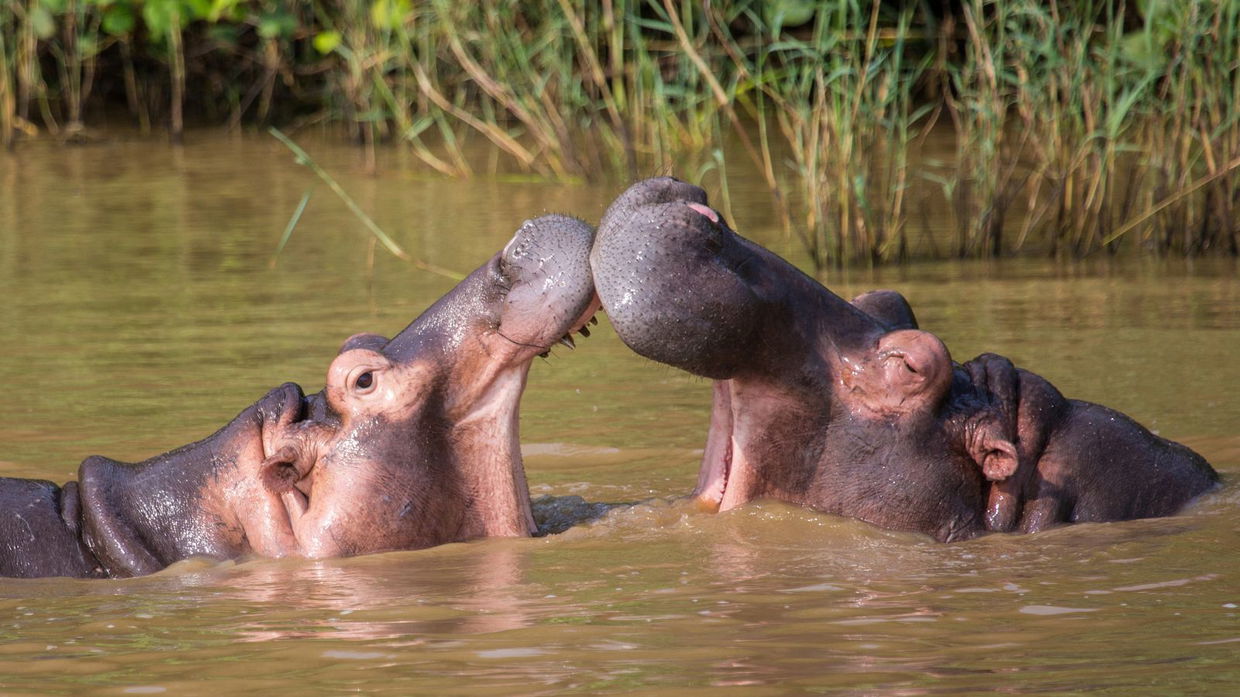
Wetlands, Estuary Views and Coastal Forests
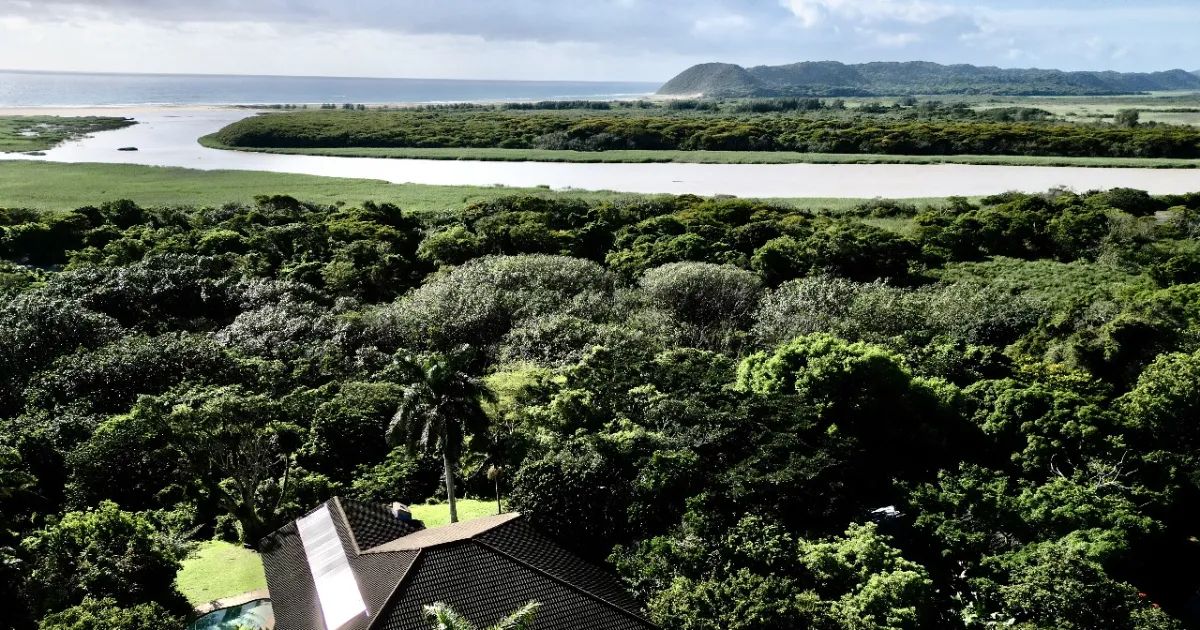
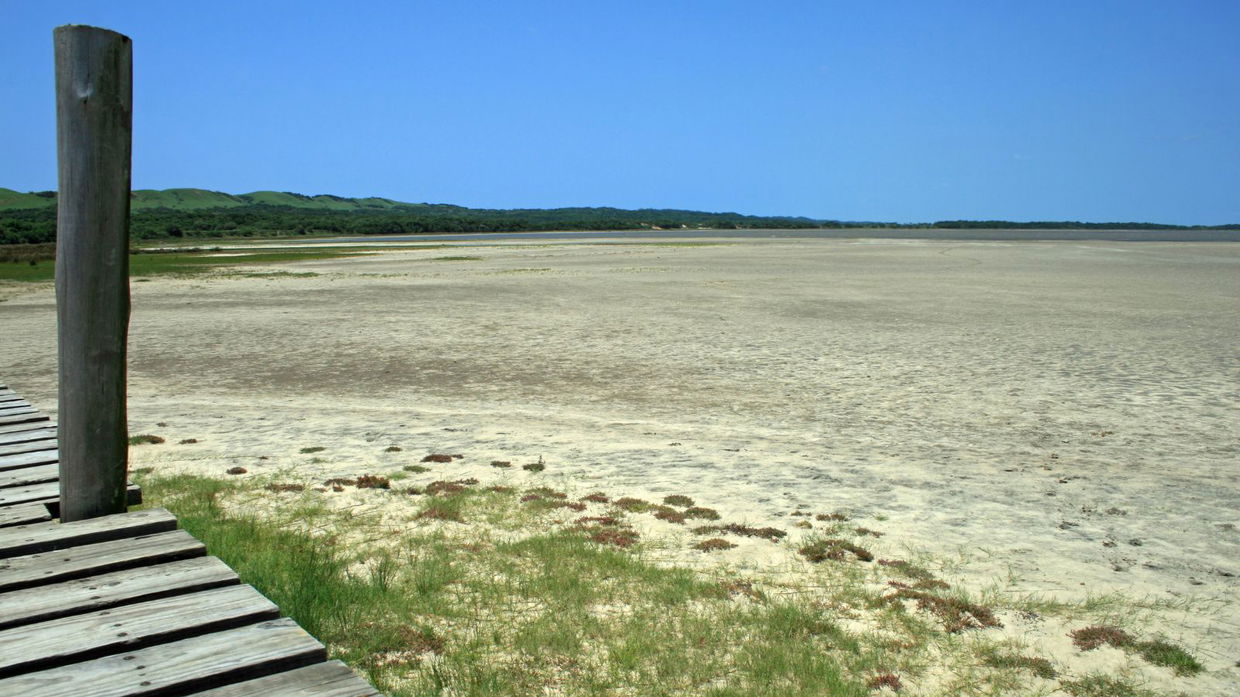
The variety of landscapes around St Lucia isn’t something you need to search for; it shifts naturally as you move. A short walk might take you from shaded forest paths to an open stretch of estuary, with the water lying still against the reeds. Drive a few minutes, and you’re in the wetlands, where the light has a quieter, thicker quality. These areas don’t compete for attention. They flow into one another, and you notice the changes more by feel than by anything obvious. Many visitors say the surroundings make it easy to slow down because the scenery does most of the inviting on its own.
Why Nature-Based Travel Is Growing in Europe
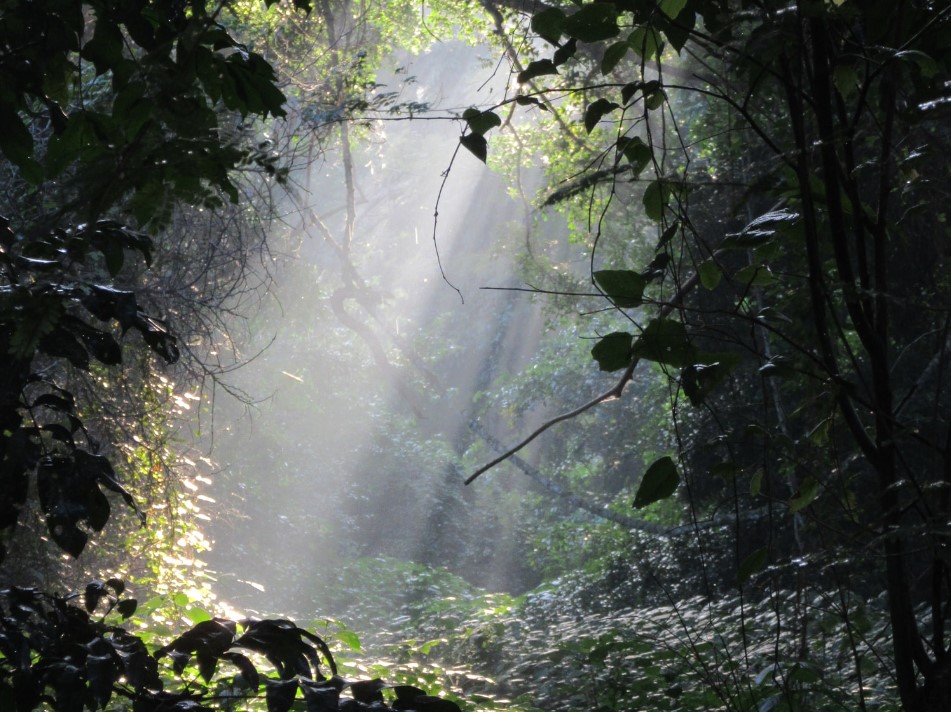
People from Europe often mention that part of the draw is simply being somewhere where natural spaces aren’t crowded or controlled. Back home, time in nature can feel scheduled — reserved walks, busy parks, or well-trodden viewpoints. Here, it’s different. You don’t have to plan ahead to find a quiet spot. You can decide on a whim to take a slow walk or stop by the water, and chances are you’ll have the place mostly to yourself. That freedom — to step into nature without barriers or bookings — is something many travellers say they didn’t realise they were missing until they felt it here.
A Unique Stay: Self-Catering Comfort Inside the Park Boundary
The Freedom of Self-Catering for Longer Slow Stays
People who choose self-catering here often say the same thing: it makes the whole holiday feel less rushed. You’re not tied to meal times or the pressure of planning every outing around where you’ll eat next. If the morning feels slow, you can ease into it without worrying about missing anything. If the weather shifts, you can simply decide to cook something simple and stay in. It suits the place — the quiet pace, the calm surroundings, and the feeling that you have time rather than a schedule. For guests staying longer, this flexibility becomes one of the things they value most.
Why Europeans Choose “Accommodation-Led” Travel

Many European travellers arrive here after long flights, busy airports, and a stretch of life that doesn’t leave much room for breathing space. When they find accommodation that feels settled, comfortable and unforced, it becomes part of the experience rather than just a base. The lodge isn’t something you pass through on your way somewhere else — it becomes the place where you slow down. People spend more time on the deck, cook meals at their own pace, or simply sit and look out over the wetland edge. The stay becomes a kind of anchor, and that steadiness is what many say they remember when they talk about the trip later.
Ingwenya’s Position on the Park Edge
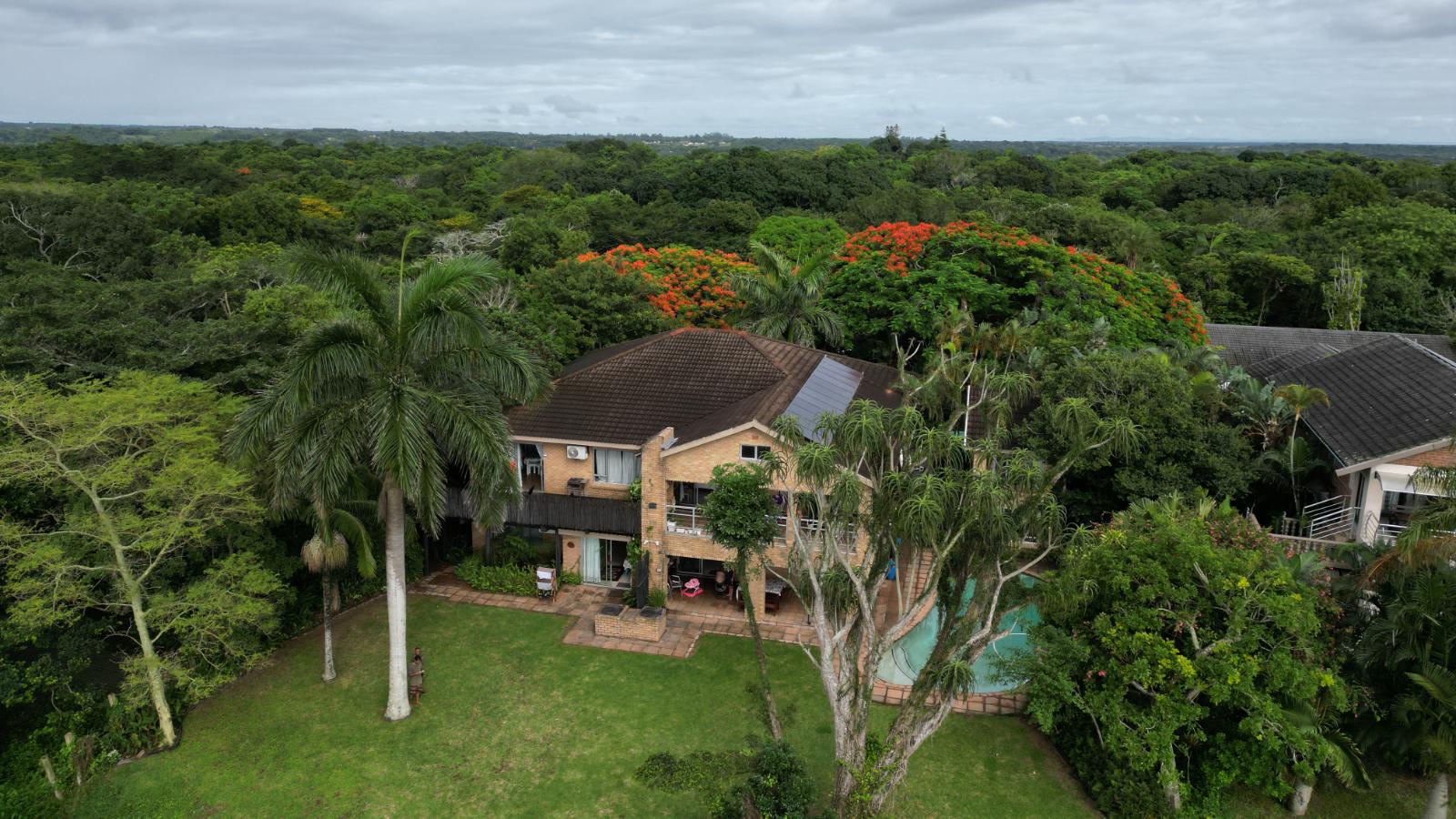
What makes Ingwenya unusual is how close it sits to the protected landscape without feeling cut off from the town. You can look out in one direction and see the wetlands stretching away, and in the other direction you’re only a short walk or drive from shops and small restaurants. It gives you the sense of being tucked into nature, but not isolated from daily comforts. For a lot of people, that balance feels right — enough immersion to feel part of the environment, but enough convenience to keep the holiday relaxed rather than complicated.
Planning Your World-Heritage Stay
Best Times of Year for Quiet, Nature-First Travel
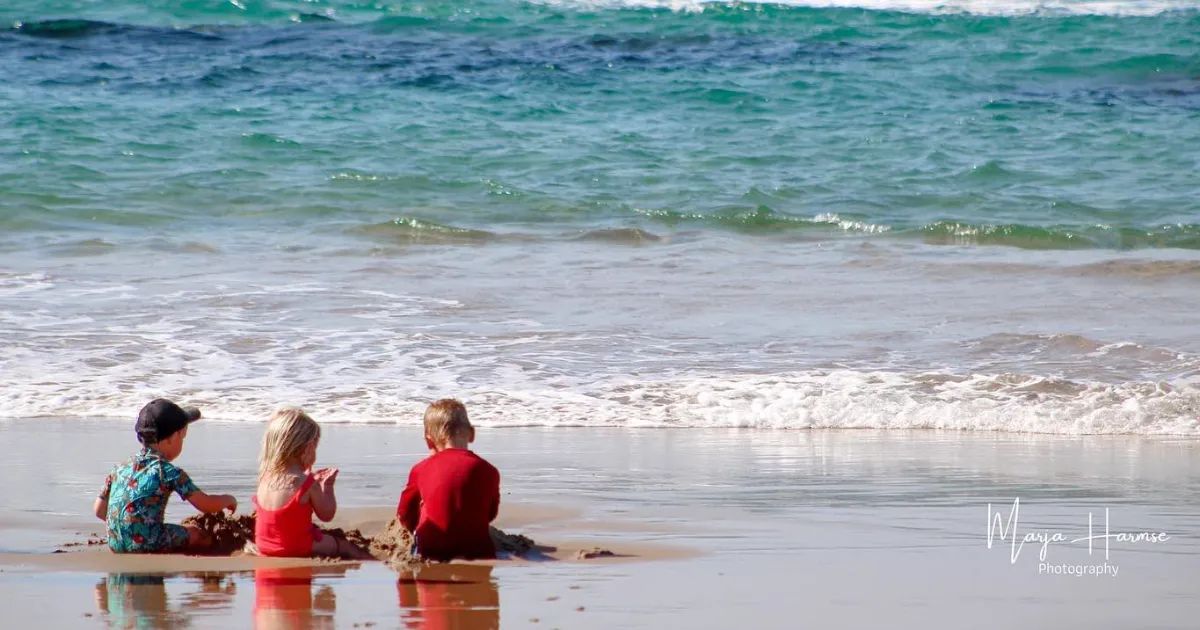
Most people imagine there’s a “right” season to visit, but iSimangaliso tends to offer different kinds of quiet throughout the year. Off-peak months often feel gentler — not empty, just calmer — and many travellers say they appreciate how the landscape changes from one period to the next. Some enjoy the stillness of early-year mornings, while others prefer the softer winter air when wildlife movements become more noticeable. There’s no pressure to arrive at a particular moment; the area isn’t driven by crowds in the way many European destinations are. Instead, you choose the stretch of the year that feels right for the sort of pace you’re after.
Suggested Slow-Travel Activities
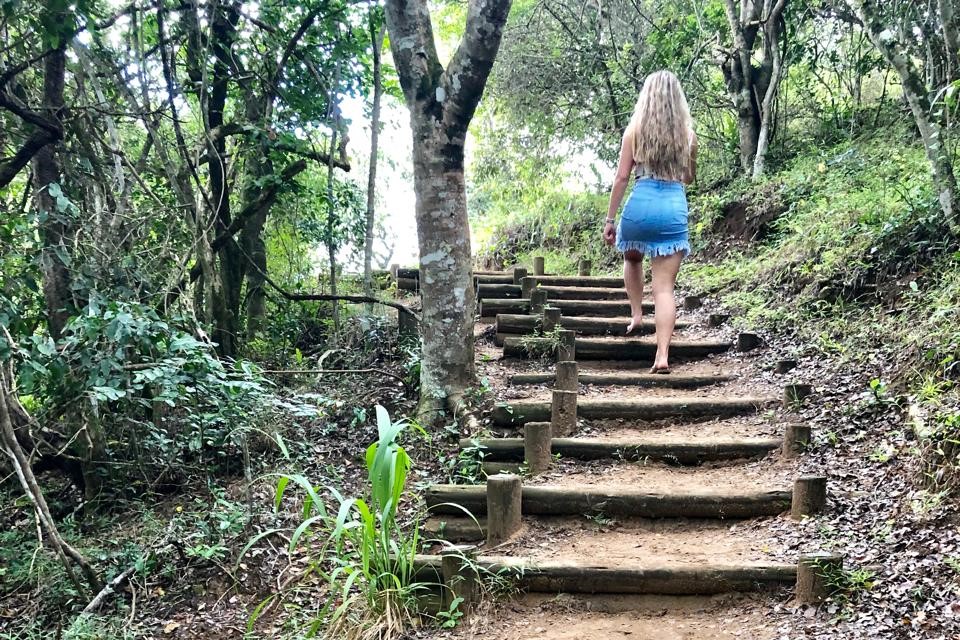
Most of the meaningful experiences here don’t require much planning. A short walk toward the estuary can take you to water views that change with the tide. Driving slowly through the park often leads to small surprises — a bird you haven’t seen before, or a quiet lookout point where you’ll want to linger longer than expected. Boat trips, gentle forest walks, or simply sitting somewhere with a bit of shade and watching the landscape shift over an hour or two are often enough. The best activities are usually the ones that unfold naturally, without trying to tick anything off a list.
What to Expect Inside the Park (Gates, Access, Wildlife)

Getting around tends to be straightforward. Distances are short, and most routes are clearly marked. You don’t need specialised equipment or a strict plan — just a sense of curiosity and a bit of unhurried time. Wildlife moves freely, so you may come across an animal without expecting it, especially near the estuary or the quieter forest sections. Gates open and close at predictable times, and once you’ve been through them once or twice, the routine becomes familiar. Visitors often say they’re surprised by how relaxed the experience feels, even when they’re exploring areas that are still very much wild.
Why iSimangaliso Is Perfect for a Meaningful Escape
A Holiday That Feels Restorative, Not Rushed
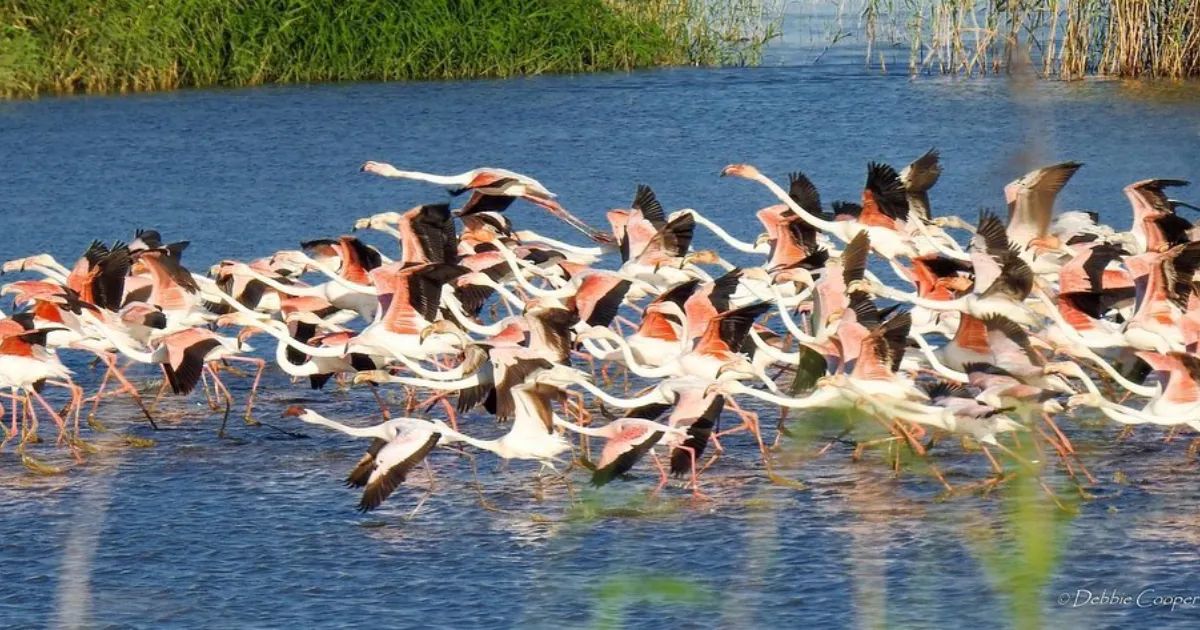
Space, Silence and Perspective
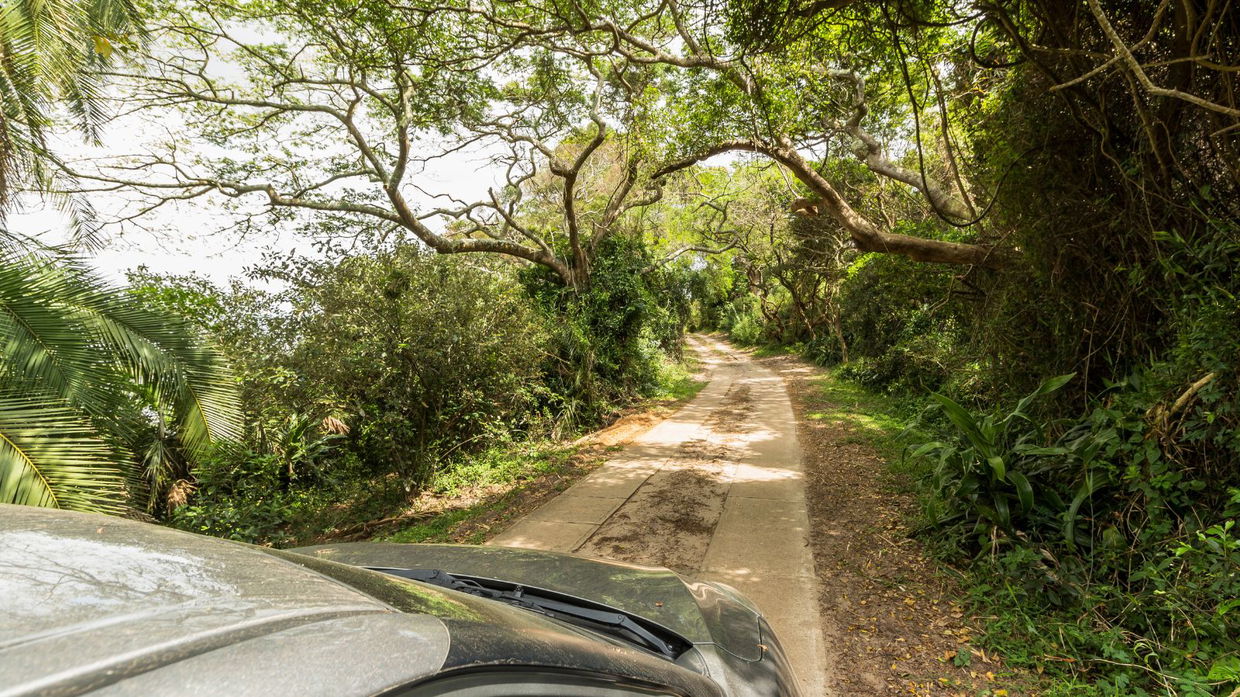
The combination of open spaces and quiet moments has an effect that’s hard to put into words. You might drive a few minutes out of town and suddenly find yourself in a wide, calm landscape with nothing demanding your attention. There’s room to think, or not think, and that choice alone feels rare. Visitors often say the silence here isn’t empty — it’s steady, grounding. The kind that gives you a bit of distance from whatever feels crowded or loud in everyday life. A few days of that can shift your perspective in small but noticeable ways, and that’s part of what makes this place feel meaningful long after the holiday ends.
Stay at Ingwenya Lodge: Your Base Inside a World Heritage Landscape
Explore Our Self-Catering Units
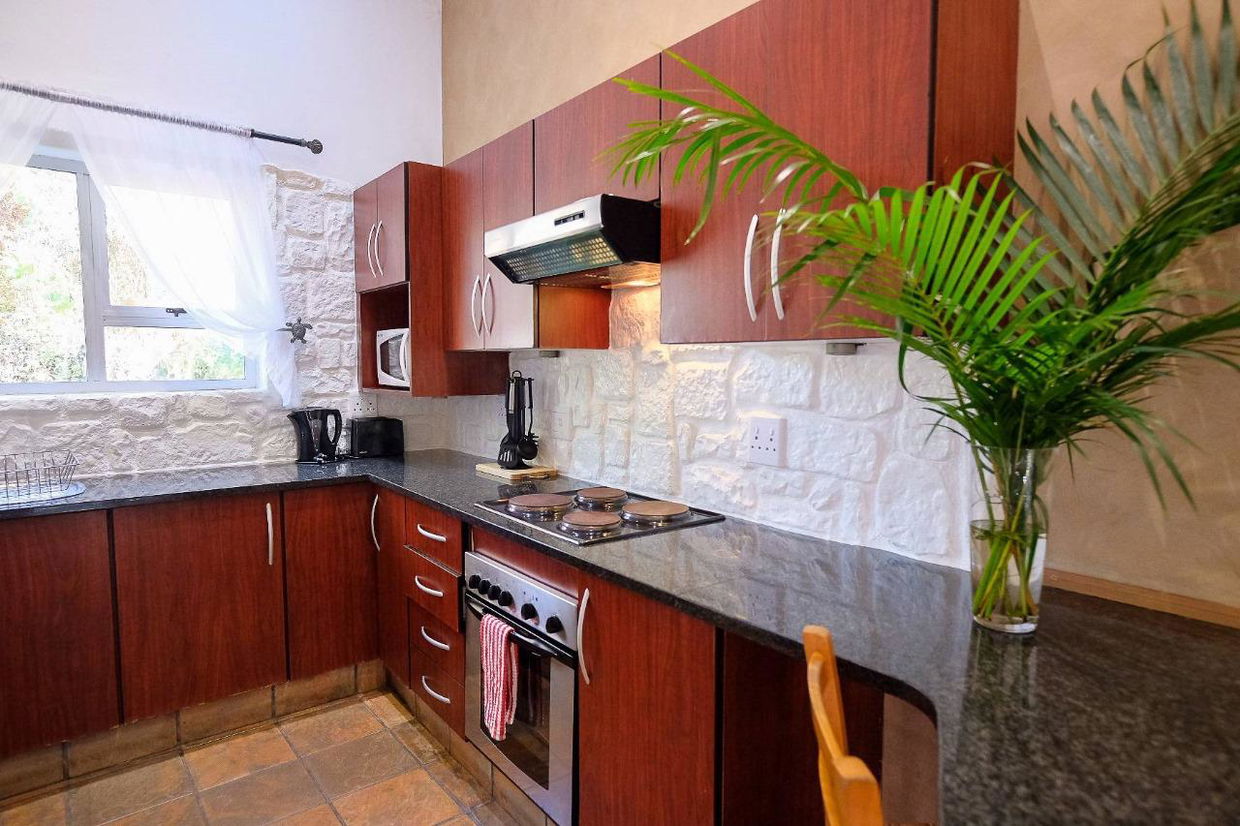
Guests often say the units feel familiar within a day or two — not in a plain or generic way, but in the sense that they’re easy to settle into. You can unpack properly, make coffee at your own pace, and move through the space without feeling like you’re squeezing holiday life into a small box. Each unit gives you room to breathe, and that seems to matter here. When the days are slower and quieter, people tend to spend more unexpected time “at home,” and having a place that feels comfortable, rather than temporary, makes that time enjoyable rather than restrictive. It becomes part of the holiday instead of something you pass through.
Views of the Estuary and Park Boundary
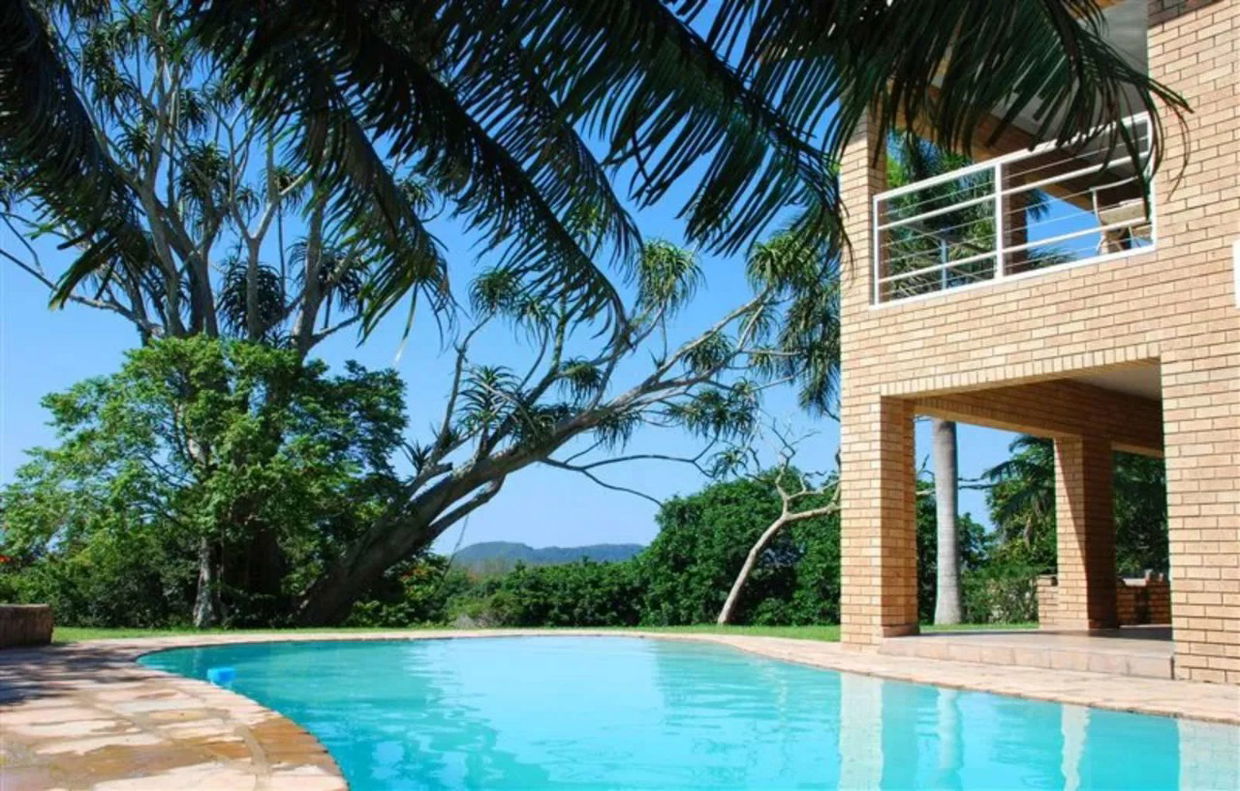
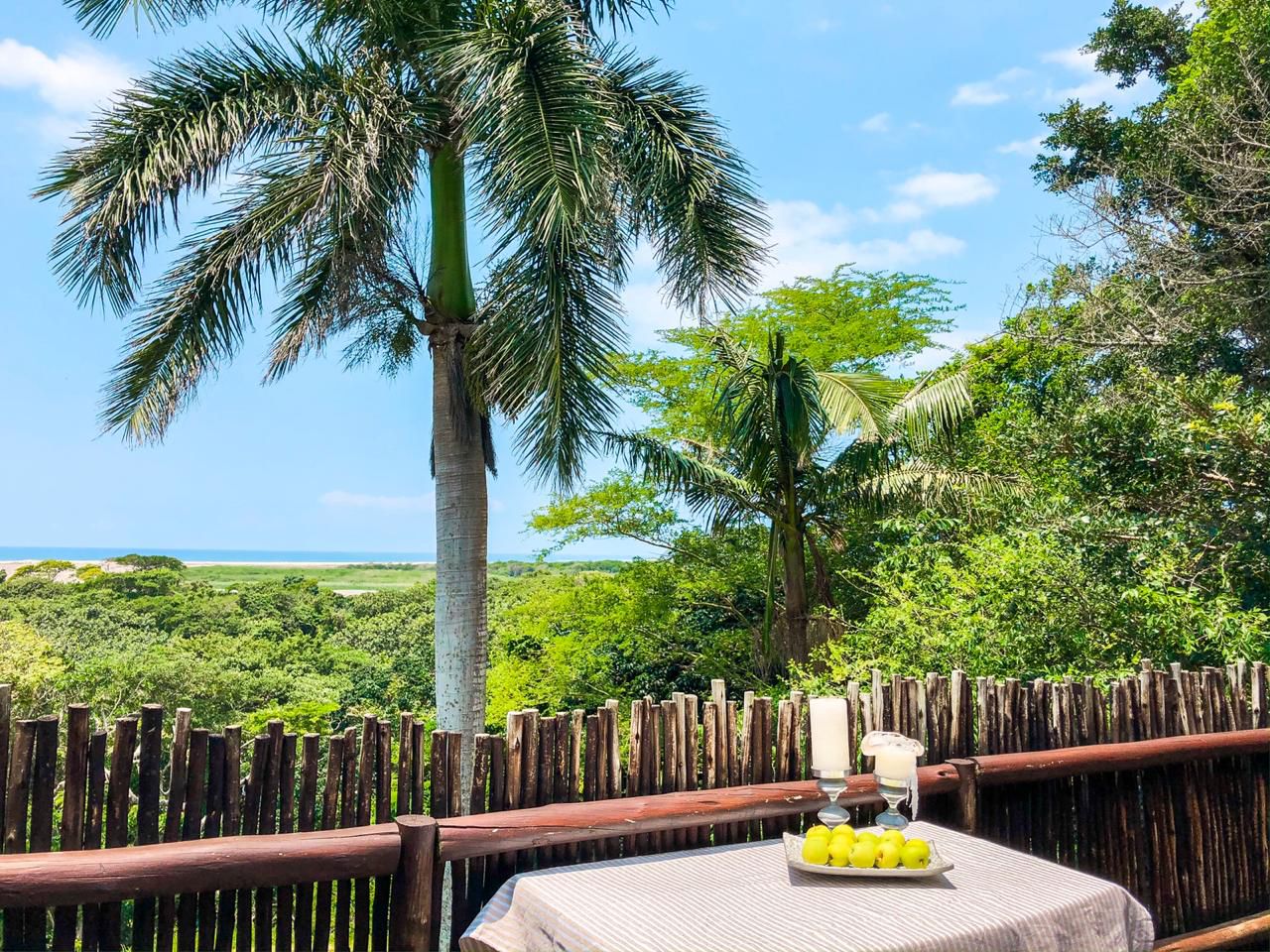
What stands out about Ingwenya’s location is how naturally the view becomes part of the day. You might sit outside for a moment and end up staying longer because something caught your eye — a bird passing low over the reeds, a shift in the light on the water, or simply the open space stretching out past the edge of town. It doesn’t feel like a lookout point or a scenic stop; it feels like the setting behind whatever you’re doing. People often tell us they didn’t realise how much they needed that kind of open view until they had it. It’s grounding without trying to be impressive.
Book Your Slow-Travel Stay
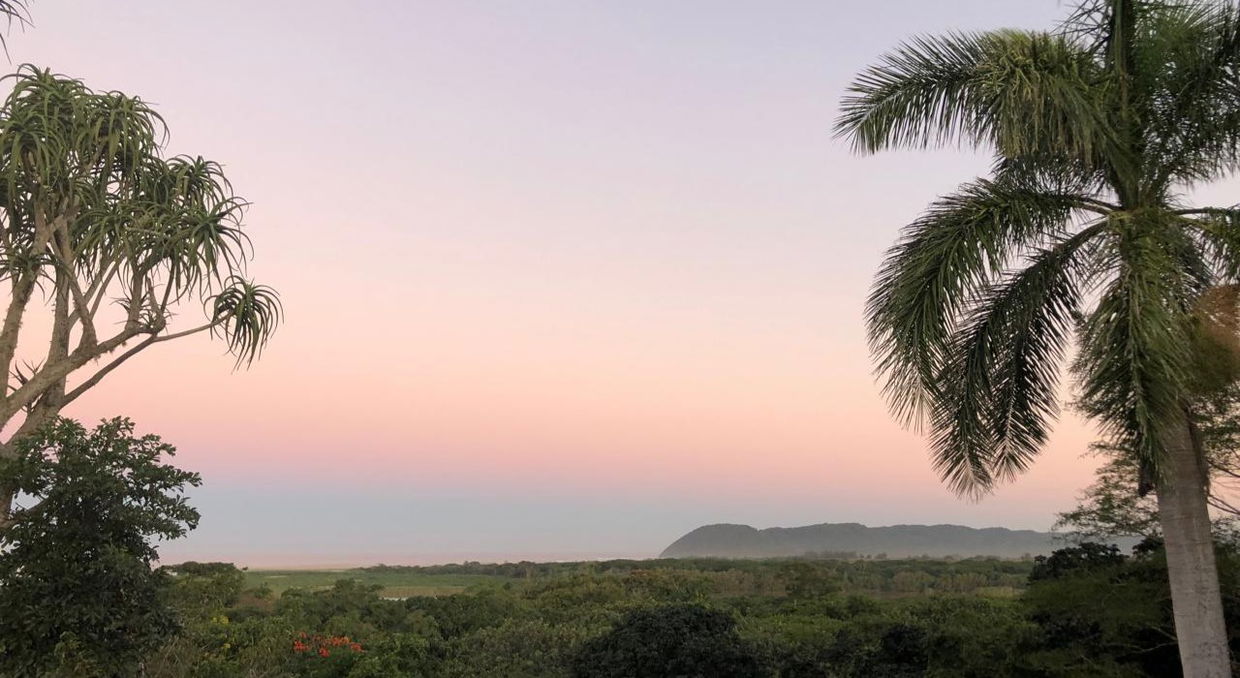
Most guests book because they want to be close to the park, but they usually leave speaking about how calm the stay felt. The combination of space, privacy, nature, and the easy rhythm of self-catering tends to make the days glide rather than rush. Whether you plan to explore a lot or take things slowly, Ingwenya works well as a base because it never demands anything from you. It’s simply a comfortable place to return to after whatever the day brings. And for many travellers — especially those coming from busy, structured lives — that simplicity is what makes the stay memorable.
Frequently Asked Questions
Is all of St Lucia inside the World Heritage Site?
Many visitors are surprised to learn that you don’t “enter” the World Heritage Site in the usual way — you’re in it as soon as you arrive. The town sits within the broader protected landscape, which means the wetlands, estuary and forests form part of your everyday surroundings. You feel it in the quiet, in the wildlife sounds at night, and in how close nature sits to small, ordinary things like getting a coffee or taking a short walk.
How close is Ingwenya to wildlife areas and gates?
From Ingwenya, access tends to feel easy rather than tiring. You’re a short drive from park gates and lookouts, and even within town you’ll notice wildlife moving naturally through the area. Some guests see birds and small animals right from their decks. The sense of being close to the protected areas isn’t something you plan around — it’s simply part of staying here.
Do I need a 4×4 to explore iSimangaliso?
Most of the commonly visited sections don’t require a 4×4. A standard car is enough for the main routes, town access, viewpoints and many of the drives people enjoy. Guests often explore comfortably without special vehicles. A 4×4 only becomes useful if you want to try the rougher tracks or visit more remote areas, and even then it’s more of a preference than a requirement.
Is self-catering better for slow-travel stays?
A lot of guests find that self-catering suits the slower pace of iSimangaliso really well. You aren’t tied to fixed meal times or restaurant hours, so the day can open up naturally. If the weather changes, or if you decide to take things easier, you can adjust without any pressure. Many people tell us that this flexibility is what makes the holiday feel restful — especially for longer stays.
View Ingwenya Lodge units and availability to start your slow-travel stay.

Share This Post